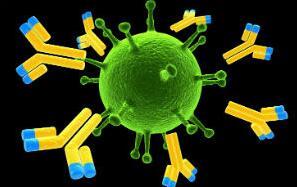
Multifunctional peptides, especially the GLP-1 agonists, have gained large-scale development in the metabolic realm. Cell-penetrating peptides technology has good targeting but such peptides have faced with the loss of bio-availability aspects. In fact, among those naturally existed polypeptides, some are representative agents with excellent therapeutic functions, such as Tumor Antigen-derived Peptides. In metabolic area like gut, microbes contain rich diversity of bacteria that can identify the protein fragments, degradation products, as well as new peptides produced by signaling molecules. With the deepening of microbiological studies, it will bring a wealth of opportunities for peptide therapeutics.
However, as for innovative peptide drug development, chemists must surpass conventional peptide technology. Among them, multifunctional peptides on behalf of a variety of pharmacological activities could be seen as an emerging technology in the field, such as double or even triple agonism. This method is based on genomic information needs. Obviously, in terms of knockout animals, only a single gene can be knocked out, which means there is no clear phenotype.
In addition, although the G protein coupled receptor (GPCR) has successfully identified several selective agonists and antagonists into clinical development, only a few of corresponding ligands can ultimately receive the drug approval. On one hand, drug development has provided effective biological systems and multi-target programs. While on the other hand, it provides opportunity for poly-pharmacological approaches aimed at patient population to complement more personalized treatment.
Specifically, current developing multifunctional peptides including antimicrobial peptide drug candidates always possess an additional biological function, such as immune-stimulating and wound healing. Multifunctional peptides have made advances in GLP-1 agonist field; several products have been approved for marketing and achieved great commercial success, including Byetta, Bydureon, Victoza, Lyxumia, Tanzeum, DOTA-cyclo(RGDfK) acetate, etc. In addition to multifunctional peptides, there is a focus on improving patient convenience and compliance, therefore, for the less frequent administration or oral GLP attempt, more efforts are in the conduct of clinical development.
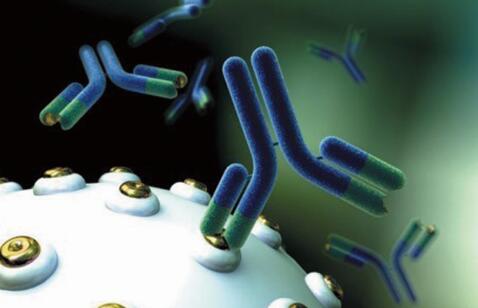
In recent years, with the development of technology, the permeability of membrane element implant has emerged, including the cell-penetrating peptides. Taking penetrating or trans-activator of transcription (TAT) sequence as an example, it is necessary to make it realize arrival intracellular target. Such peptides are challenged by loss of potency for further functions. Another important aspect in the development of cell-penetrating peptides is that it must also consider whether the nature of the molecule is similar to those of small molecules, including low specificity, because the increase in the volume of distribution may lead to greater security risks.
It is worth mentioning that polypeptides can form conjugate together with small molecules, oligoribonucleotides and antibodies, as a new means to develop innovative peptide drugs with improved efficacy and safety role. For example, in the field of oncology, such a method has gained interest in the industry, more than 20 polypeptide conjugates in clinical trials.
The future development of polypeptide drugs will continue to rely on the advantages of native peptides, combing with traditional design concept to improve its weaknesses, such as the chemical and physical properties. In brief, new peptide technology, including multifunctional peptides, cell-penetrating peptides and peptide drug conjugates, will help expand the applicability of modern therapeutic peptides. Taking into account of all the factors above, it’s reasonable to believe a fact that peptides will have a vast prospect for medical needs, as an effective therapeutic treatment in the future.
]]>
Actually, active peptides were found in 1920 but they aren’t studied by more experts until 1958. In 1958, a Jewish-American professor at the University of California showed his research results on active peptides to the public community. After 38 years of painstaking research, the study was regarded as a successful advent using recombinant technology, which could control the quantity, quality and speed of protein synthesis, as well as human diseases and aging.
Specifically, active peptides such as acrorhagin could be a kind of substance (the body’s own secretion) in the nerve tissue and other tissues or organs. Involved in the growth and metabolism of protein, fat and sugar, active peptides control the normal rate of protein synthesis with the increasing or decreasing secretion amount. In 1990, Dr. Rudman formally proposed to explain the theory of human disease and aging causes, using active polypeptide in anti-aging and disease prevention for the first time.
In the experiment, some scientists found that active peptides could closely monitor the expression and replication process of cells just like an automatic operation. When cells divide and replicate normally, active peptides ensure the normal synthesis of proteins and normal cell division. When an error occurs during cell division, active peptides immediately command error cell replication to stop and fix it. Active peptides can promptly cut, splice and repair exception error cells to ensure the normal protein synthesis, enabling the body in a healthy state.
Scientists believe active peptides are the headquarters for human health. Divided by age, active polypeptides in childhood to adolescence own more secretion, which is intended to enable the body to grow rapidly, and the appropriate secretion would maintain until about 25-30 years old. Upon reaching 30 years old, bioactive polypeptides will gradually reduce the secretion.
When the secretion of active peptides in human body is sufficient and owns high activity, activation of abnormal diseased cells in ensuring human health might be necessary. Anyway, supplementing active peptides on the prevention and treatment of cardiovascular, bone and joint diseases, endocrine system diseases, gastrointestinal diseases, diabetes and tumors has a very important significance. Active peptides help to decipher the key issues of human sickness and death, which also discover a new era for the treatment of varying human diseases.
]]> 1. The preservation of lyophilized peptide and peptide solution
All products should be stored in the refrigerator, preferably -20℃. Most peptides can be stored in this way for a few years and remain unchanged. Compared with lyophilized peptide, the preservation of peptide solution can be a little complicated. Unstabler than lyophilized form, the solution should be neutral pH and it should apply sample storage in order to avoid repeated freezing. Even if the sample hasn’t been used up after the thawing it should be thrown away, because bacterial degradation sometimes could be troublesome to peptide solution.
2. Reconstruction and operation of polypeptide
Most peptides are dissolved in sterile distilled water. However, the initial concentration should be greater than the desired concentration while conducting the dissolution for the first time. But if the solubility of the peptide in water is limited, there are several options that can help dissolve. Using dilute acetic acid in the basic peptide, using dilute ammonia in the acidic peptide, using 10% organic modifier in the extremely hydrophobic peptide, and guanicline hydrochloride are all the applicant methods. In addition, sonication is also an effective means of dissolving polypeptide.
3. The applications of Polypeptide
As is known, polypeptdie has a wide range of solubility. The main reason that causes insoluble peptide is because of the formation of secondary structure. Actually, except for the largest peptide, any other peptides can appear such issue. It’s more significant in the peptides with multiple hydrophobic residues, while salt will promote the formation of secondary structure to a certain degree. It’s recommended that dissolving polypeptide in the sterile distilled water. Whereas, if the dissolution still faces some problems, then it will be helpful to add a small amount of dilute acetic acid or ammonia.
Polypeptide in solution is far unstable but it is susceptible to bacterial degradation. In sum, the preservation and operation of polypeptide might be a little difficult to accomplish, it’s worthy of a try. Try these tips and you’ll find they are useful in your peptide experiments.
]]>