Function of Sulforaphane
Sulforaphane plays a role in preventing cancer by activating transcription factor Nrf2, enhancing the body’s antioxidant capacity, and detoxifying chemicals. It can cause apoptosis and cell arrest of cancer cells, induce phase Ⅱ detoxifying enzymes in human body, inhibit the production of type Ⅰ enzymes, and eventually efflux harmful components such as carcinogens and free radicals through a variety of enzyme systems, at the same time, this component is a new anti-cancer component which does not remain in the human body and has no side effects on the body. Other studies have shown that sulforaphane may inhibit the growth of cancer stem cells. In conclusion, sulforaphane can induce apoptosis and static effect of cancer cells by regulating the early stage of cell carcinogenesis, and inhibit angiogenesis of cancer cells. It is effective to prevent and treat cancer by preventing the deterioration of cancer cells and inhibiting the metastasis and spread of cancer cells.
Relationship between thiosulfonate and disease
- Sulforaphane in Diabetes: cauliflower Bud is expected to treat Obesity.

In a new study from Kanazawa University in Japan, the researchers compared the weight of mice who ate high-fat foods supplemented with sulforaphane and those who ate high-fat foods that did not contain sulforaphane. The study found that sulforaphane are expected to reduce inflammation in the liver or adipose tissue and reduce insulin resistance, as well as prevent lifestyle diseases. After assessing the effects of sulforaphane on obesity, reducing inflammation and insulin resistance, and its safety through future clinical studies, it may be recommended as an additional food product for improving bacterial flora in the gut.
- PNAS: cauliflower extract sulforaphane soothes core symptoms of autism
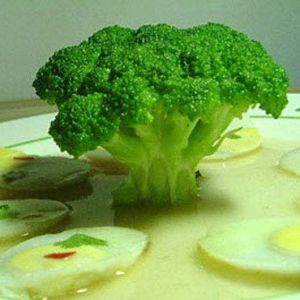
A clinical trial, published in October 2014, appeared in television news media in the United States, where broccoli extracts sulforaphane, a substance that soothes the core symptoms of autism. The results of this clinical trial showed that 46% of participants taking broccoli extract showed significant improvements in social skills, and 42% of participants taking broccoli extract showed a significant improvement in language communication, while 54% of those taking broccoli extract showed a significant reduction in behavioral biases.
- Science sub-issue: sulforaphane is expected to be used in the treatment of chronic obstructive pulmonary disease

According to a study published in Science Translational Medicine on April 13, 2011, Researchers at the Bloomberg School of Public Health at Johns Hopkins University have developed a treatment based on nonsteroidal sulforaphane. It is used to enhance the innate immune defense of the lungs and reduce inflammation in order to treat possible problems in patients with chronic obstructive pulmonary disease (COPD).
- Sulforaphane becomes a panacea for arthritis.

In July 2014, researchers found that sulforaphane inhibits a key molecule that causes inflammation and blocks enzymes that cause joint damage. Experiments show that feeding mice with sulforaphane-rich foods can effectively reduce cartilage damage in mice, which are significantly less likely to develop osteoarthritis than those who do not. In addition, sulforaphane may play a role in the initiation of carcinogens, mutating genes in the early stages of cancer formation, and some inhibitory enzymes that double-block or suppress cancer and degrade toxic substances. As a result, it has an anti-cancer effect. At the same time, sulforaphane can also inhibit the production of Phase Ⅱ enzyme, such as reducing the level of P450 enzyme or inhibiting its catalytic activity, thus affecting the formation of active carcinogenic end products. By destroying the active centers of carcinogens or combining them with endogenous ligands, they can be quickly expelled from the body to play an anti-cancer role.
References
1.Park, S. U. (2012). Anticancer compounds from plants. EXCLI journal, 11, 386.
2. Langner, E., Lemieszek, M. K., & Rzeski, W. (2019). Lycopene, sulforaphane, quercetin, and curcumin applied together show improved antiproliferative potential in colon cancer cells in vitro. Journal of Food Biochemistry, e12802.
]]>
According to a study report published in the international journal Science Translational Medicine, scientists from Sweden, the United States and Switzerland found that sulforaphane contained in cruciferous vegetables could reduce glucose levels. In addition, this article highlighted how to separate sulforaphane and how to make use of sulforaphane to examine its influence on rats’ live cells and human bodies.
For many years, we have constantly heard of “type 2 diabetes”, which is closely related to the increase of obesity population in many countries, especially in America. In previous studies, researchers found when the body cannot effectively use glucose, cells are unable to use insulin properly, which can further cause health problems. Currently, treatments of type 1 diabetes include eating healthy food and taking drugs such as metformin. However, 15% of people cannot be treated with these existing drugs, because they pose a risk for liver injury.
Type 2 diabetes usually develops among people in their middle ages, especially among overweight population. At that point, their body will stop responding to insulin, a substance which can control glucose levels. High level of blood sugar resulted by abnormal insulin regulation will increase the risks of sudden heart disease, blindness, nephropathy, and so on.
A chemical called sulforaphane found in Broccoli Sprouts has previously been shown to have the effect of lowering diabetic rats’ blood glucose levels. Anders Rosengren and his colleagues at the University of Gothenburg in Sweden, want to find out if this also works in humans. To test this theory, they had 97 patients with type 2 diabetes treated with concentrated doses of sulforaphane or placebo for three consecutive months. Only three of them continued to take metformin. Subjects who did not take metformin could also relatively keep their glucose levels well.
Sulforaphane in concentrated dose is about 100 times that in broccoli in nature. Taking the concentration is the same as having 5 kilograms of broccoli a day, Rosengren said.
On average, compared to subjects who were given placebo, the glucose levels of those who took sulforaphane reduced by 10%. The effect of these extracts was most effective among obese subjects who had “dysregulated” diabetes. At the beginning, these people’s basal blood glucose levels were comparably high.
“We are extremely excited about the effect of our new findings, and we are eager to bring these extracts to our patients,” Rosengren said, “as we can see, their average glucose level has lowered by around 10%, which is enough to relieve symptoms in their eyes, kidneys and blood. ”
Further research showed that both metformin and sulforaphane can reduce blood sugar, but their mechanism is different. Metformin makes cells more sensitive to insulin so that they can sponge more sugar in the blood. As for sulforaphane, it lowers glucose levels through inhibiting liver enzymes, a substance which can stimulate glucose production.
Therefore, Rosengren believes that broccoli extract is a useful complementary to metformin, rather than a competitor. He pointed out that many patients with diabetes cannot take metformin because of kidney syndrome, so in this case, broccoli can be a potential alternative.