In the study, the researchers analyzed the medical records of 100288 patients with type 2 diabetes from The Health Improvement Network database. The researchers said that patients with type 2 diabetes often faced an increased risk of Parkinson’s disease compared to cohorts who did not have type 2 diabetes. But common therapeutic drugs, GLP-1 agonists and DPP4 inhibitors, do not seem to reverse the increased risk of Parkinson’s disease.
The researchers found that patients who took both GLP-1 agonists and DPP4 inhibitors may seem less likely to be diagnosed with Parkinson’s disease in the next few years (with an average follow-up of 3.3 years) than those who took other diabetes drugs, and those who took GLP-1 agonists were 60 percent less likely to develop Parkinson’s disease. This study further confirms the results of the use of exenatide in patients with Parkinson’s disease in phase 3 clinical trials, and researchers will recruit 200 patients with Parkinson’s disease in the UK for further trials, previous studies have shown that patients with Parkinson’s disease who received weekly injections of exenazeptide for a year may perform better on exercise tests than those who received placebo.
“Our findings enhance the link between type 2 diabetes and Parkinson’s disease.” researcher Foltynie said. Although researchers now know that most people with diabetes do not develop Parkinson’s disease. In addition, the researchers added evidence that the drug exenatide may help prevent or treat Parkinson’s disease by affecting the progression of the disease rather than just reducing the patient’s symptoms. Of course, this may require more clinical trials by scientists at a later stage.
Finally, the researchers say that when giving drugs to patients with type 2 diabetes, clinicians may need to consider other risk factors for Parkinson’s disease, but they need to conduct more studies at a later stage to confirm its clinical value.
References
- Brauer, R., Wei, L., Ma, T., Athauda, D., Girges, C., Vijiaratnam, N., … & Foltynie, T. (2020). Diabetes medications and risk of Parkinson’s disease: a cohort study of patients with diabetes.Brain, 143(10), 3067-3076.
- Cvetković, R. S., & Plosker, G. L. (2007). Exenatide.Drugs, 67(6), 935-954.
]]>
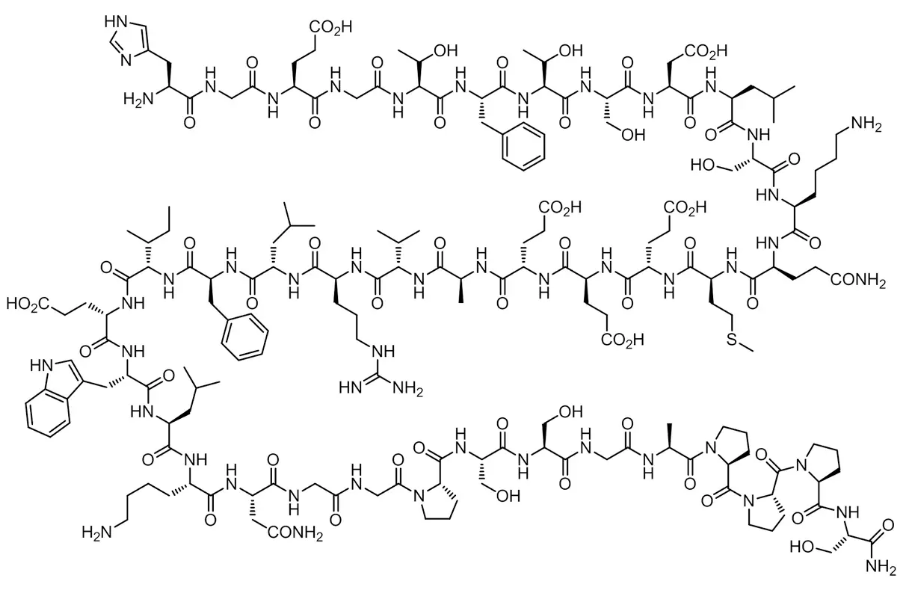
Semaglutide is a glucagon-like peptide-1 (GLP-1) analog. It is a hormone that induces insulin secretion and is marketed as Ozempic. The once-weekly injection form was approved by the FDA in 2017 for the treatment of type 2 diabetes. To improve compliance and better long-term results, Novo Nordisk has developed Rybelsus, an oral dosage form of semaglutide, which was approved by the FDA in September 2019.
Cardiovascular disease (CVD) is the leading cause of death and disability in patients with type 2 diabetes. Adults with type 2 diabetes are 2 to 4 times more likely to develop CVD than adults without diabetes.
FDA approval for Ozempic is based on the results of the SUSTAIN 6 Cardiovascular Outcome Trial (CVOT), which assesses the cardiovascular safety of adding Ozempic or placebo to standard treatment for adults with type 2 diabetes and diagnosed cardiovascular disease. In the 2-year SUSTAIN 6 trial, Ozempic significantly reduced the risk of cardiovascular death, non-fatal heart attack, or non-fatal stroke three-component MACE endpoint. Compared to placebo, the estimated MACE relative risk reduction was 26% (HR 0.74 [95% CI: 0.58, 0.95], non-inferiority, median observation time 2.1 years, p <0.001), and the primary composite outcome occurred in 6.6% of Ozempic-treated patients and 8.9% of placebo-treated patients. During the trial, the incidence of gastrointestinal adverse events in the Ozempic group was higher than in the placebo group. Most gastrointestinal adverse events occurred during the first 30 weeks.
Semaglutide promotes insulin secretion and inhibits glucagon secretion in a glucose concentration-dependent mechanism, which can greatly improve blood glucose levels in patients with type 2 diabetes, and has a lower risk of hypoglycemia. At the same time, semaglutide can also induce weight loss by reducing appetite and reducing food intake. In addition, semaglutide can significantly reduce the risk of MACE in patients with type 2 diabetes.
Ozempic (semaglutide, injection preparation) is a weekly subcutaneous injection form (0.5mg or 1mg), which is suitable for: as an adjuvant for diet adjustment and exercise to improve blood glucose control in adults with type 2 diabetes. It also reduces the risk of major adverse cardiovascular events in adults with type 2 diabetes who have cardiovascular disease. Ozempic was first approved by the US FDA in December 2017 and is currently available in 25 countries. Obtained FDA approval for the first time in combination with treatment for adults with type 2 diabetes.
Rybelsus (semaglutide, oral tablet) is a once-a-day tablet that contains an excipient SNAC that promotes absorption. The drug is suitable for: As a diet adjustment and exercise and auxiliary medicine, to improve blood glucose control in adults with type 2 diabetes. Rybelsus is the world’s first and only oral GLP-1 receptor agonist. It is administered once daily with two therapeutic doses: 7 mg and 14 mg. Rybelsus was first approved by the US FDA in September 2019 and is currently under review by multiple regulatory agencies.
Novo Nordisk’s Executive Vice President and Chief Scientific Officer Mads Krogsgaard Thomsen said, “We strongly believe in the therapeutic benefits of semaglutide, and this approval marks a major milestone. Ozempic now provides an effective treatment for patients with type 2 diabetes who have cardiovascular disease in the United States, which can lower blood sugar and reduce cardiovascular risk. We are also very happy that the results of the PIONEER 6 study are reflected on the label of Rybelsus. In order to further evaluate the cardiovascular risk reduction of this drug, we are currently conducting a cardiovascular outcome trial SOUL.”
References:
- Novo Nordisk: Ozempic® superior in lowering blood sugar and weight vs placebo, both in combination with SGLT-2 inhibitors
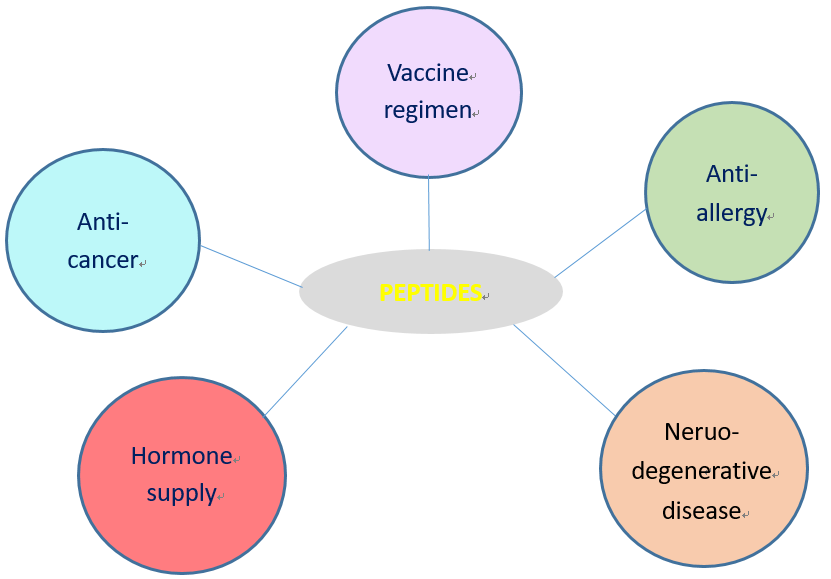
- Scientists are expected to develop a new type of cellular permeable peptide chimera to promote wound healing.
In recent years, cell penetrating peptides as drug delivery carriers have aroused great interest among scientists. They may help develop new therapeutic agents or cosmetics. In general, compounds with a molecular weight greater than 500Da can hardly pass through the biofilm. In a recent study, researchers covalently combined a sequence that promotes wound healing with cellular osmotic peptides to improve the efficiency of drug transport in cell membranes. The new peptides ingested by cells can be conjugated into keratin cells, which can significantly improve drug transport under good tolerance.
- AJP: Intestinal peptide is helpful to improve the success rate of corneal transplantation.
A recent article published in the journal American Journal of Pathology found for the first time that injecting neuropeptide (VIP), into the eyes of mice could improve the success rate of corneal transplantation. VIP also has other advantages, such as accelerating wound healing, protecting corneal endothelial cells and improving the cleanliness of corneal transplantation. If the treatment is approved, it will help solve the problems of many patients with corneal diseases.
- Cancer Cell: Scientists develop peptide drugs for accurate treatment of prostate cancer.
In a new study recently published in the international academic journal Cancer Cell, researchers from the University of Michigan developed a new treatment strategy that targets genetic mutations in about half of prostate cancer. When the two genes, TMPRSS2 and ERG, are relocated and fused on chromosomes, prostate cancer development is turned on. However, the development of small molecule inhibitors targeting ERG has always been a great challenge.
- Nature journal: Magic peptides that can effectively deal with drug-resistant bacteria.
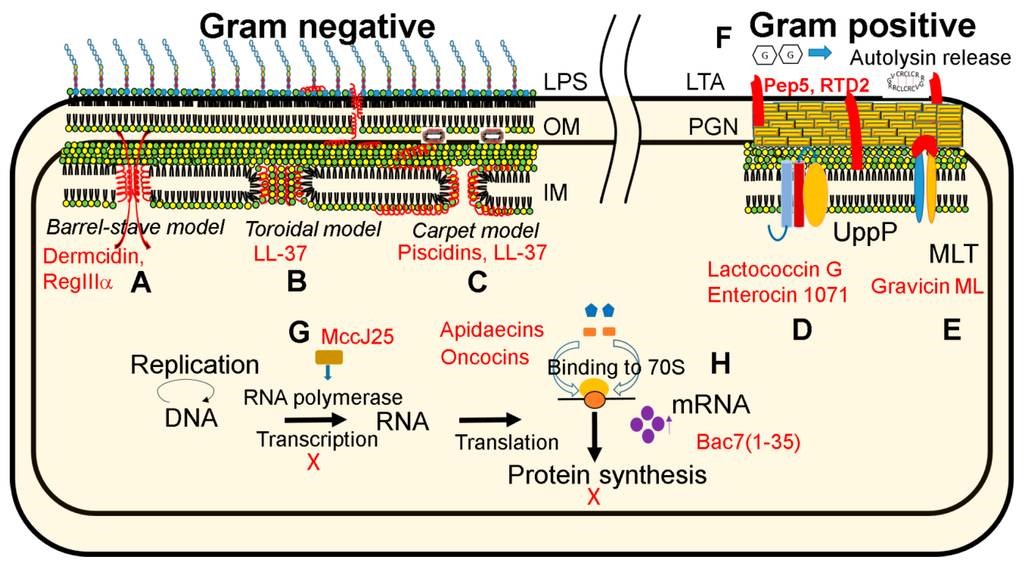
Worldwide abuse of antibiotics has received a lot of attention recently. As a result of excessive use of antibiotics, more and more bacteria have developed drug resistance, resulting in the emergence of “superbugs”. At the same time, the development of new antibiotics has not been able to keep pace with the evolution of bacteria. According to the World Health Organization, 10 million people could die of drug-resistant bacteria each year by 2050. In order to update the arsenal of weapons to deal with bacteria, some scientists have taken different measures. Recently, researchers from the Massachusetts Institute of Technology, the University of Brasilia and the University of British Columbia in Canada have designed an antibacterial peptide that can destroy many kinds of bacteria, including drug-resistant bacteria. The results were published in the journal Scientific Reports.
- Tuberculosis: Specific peptides from fungi are expected to treat tuberculosis.
In a recent study published in the international journal Tuberculosis, scientists from Lund University found that. A special peptide isolated from saprophytic ascomycetes (Pseudoplectania nigrella) is expected to be used as a new antibiotic to inhibit the growth of Mycobacterium tuberculosis.
- Hypertension: Peptides in spirulina may have obvious antihypertensive effect.
In a recent study published in the international journal Hypertension, scientists from institutions such as the University of Rome said that a peptide extracted from spirulina may be able to fight high blood pressure by dilating blood vessels. The results are expected to help researchers develop new treatments for hypertension at a later stage.

- Ang Chem Int Ed: scientists have developed new macrocyclic peptides that are expected to treat Alzheimer’s disease and type 2 diabetes.
At present, researchers have not developed effective treatments to resist the formation of amyloid protein in patients with Alzheimer’s disease and type 2 diabetes mellitus. Recently, scientists from the Technical University of Munich have found a solution by describing a new macrocyclic peptide molecule that can effectively inhibit the formation of amyloid proteins. The study was published in the international journal Angewandte Chemie International Edition.
- Diabetes: Natural peptides may improve glucose and insulin sensitivity and reduce body weight.
In a recent study published in the international journal Diabetes, researchers from the University of California found that obese mice were treated with peptides naturally found in the body called catechol somatostatin (CST). Or can significantly improve the level of glucose and insulin tolerance in mice, but also reduce the body weight of mice. The researchers point out that CST plays a key role in the recruitment and function of macrophages in the liver, as well as in regulating obesity-related liver inflammation and insulin tolerance.
- PLoS ONE: novel peptides can kill neuroma cells by blocking DNA replication.
Neurocytoma is one of the cancers that cause childhood death, accounting for 15% of childhood cancer deaths, and the 5-year survival time of high-risk neuroma patients is often 40% to 50%. Recently, in a research paper published in the international journal PLoS ONE, researchers found that a peptide called R9-caPep can target neuroma cells. It destroys the proliferation of nuclear antigen (PCNA) to kill neurocytoma cells. PCNA is an essential protein for DNA synthesis, replication and repair of neuroma cells.
- Immunity: A host defense peptide in frog mucus can kill many influenza virus strains.
Frog mucus contains molecules that kill bacteria and viruses, and scientists are beginning to study its use as a potential source of a new antimicrobial drug. In a new study, researchers from Emory University, Mount Sinai Icahn Medical School and the Rajiv-Gandhi Biotechnology Center in India reported that in Hydrophylax bahuvistara, a brightly colored tennis-sized frog species in southern India, A host defense peptide can eliminate a variety of influenza virus strains. The researchers named the newly identified peptide “urumin,” and the results are published in the journal Immunity.
]]>
Diabetes is a chronic disease that occurs either when the pancreas does not produce enough insulin (a hormone that regulates blood sugar) or when the body cannot effectively utilize the insulin it produces. Diabetes mellitus can be classified into two main types: type 1 (previously known as insulin-dependent) and type 2 (formerly called non-insulin-dependent or adult-onset). Type 1 diabetes was characterized by absolutely lack of the production and secretion of insulin, due to destruction of the insulin producing pancreatic β-cells. Patients with type I diabetes require daily administration of insulin. Type 2 Diabetes, which was characterized by insulin resistance and the body’s inability to secrete enough insulin. 90% of diabetes cases belong to this type.
Obesity is associated with numerous co-morbidities and any treatment for obesity is likely to be required long term; the therapeutic window of any new pharmacotherapy must therefore be closely scrutinized before approval. The classical neurotransmitter and endocannabinoid systems are widespread within the CNS, reflecting multiple physiological roles, and manipulation of these systems carries the risk of unwanted effects. Neuropeptides can act in the CNS as neuromodulators of the classical neurotransmitter systems. Typically expressed by discrete clusters of neurons, they project diffusely throughout the CNS, and modulate postsynaptic neurons in a way that can alter their responses to classical neurotransmitters. All CNS neurons that produce neuromodulators also release classical neurotransmitters, for example, neuropeptide Y (NPY) and galanin regulate central adrenergic transmission within the hypothalamus.
Levels of circulating spexin, a newly identified neuropeptide, decrease with age and may predict risk for obesity and diabetes, according to findings from a cross-sectional study of healthy Chinese women. Research suggests that spexin is associated with satiety, gastrointestinal motility, energy metabolism, and glucose and lipid metabolism. Several animal studies have investigated the biological functions of spexin in fish and rodents; however, the clinical significance of the neuropeptide remains largely unknown.
Zhao-xiang Bian, MD, PhD, director of the Hong Kong Chinese Medicine Clinical Study Centre at Hong Kong Baptist University, China, and colleagues analyzed data from 68 women recruited from the clinical division at the School of Chinese Medicine at Hong Kong Baptist University (median age, 39 years; median BMI, 20.5 kg/m²). Researchers measured serum spexin levels via an enzyme-linked immunosorbent assay, as well as fasting glucose, total cholesterol, triglycerides, alkaline phosphatase (ALP), alanine aminotransferase (ALT), aspartate aminotransferase (AST), urea and creatinine. Researchers stratified participants by spexin tertiles and performed two-way analysis of variance (ANOVA) to test the main and interaction effects of age and spexin on BMI, fasting glucose and triglycerides.
“In healthy women, circulating spexin levels decrease with age and negatively correlate with BMI, fasting glucose and triglycerides,” Bian said. “Meanwhile, no interaction effects of spexin and age on BMI and fasting glucose were found. Spexin may independently predict the risk of high BMI and high fasting glucose.” Bian said the close correlation between spexin and age suggests the possible role of the peptide in aging-related functions and disorders, which need to be further explored by additional clinical studies and mechanistic investigations to elucidate the role of spexin in aging.
]]>According to a study report published in the international journal Science Translational Medicine, scientists from Sweden, the United States and Switzerland found that sulforaphane contained in cruciferous vegetables could reduce glucose levels. In addition, this article highlighted how to separate sulforaphane and how to make use of sulforaphane to examine its influence on rats’ live cells and human bodies.
For many years, we have constantly heard of “type 2 diabetes”, which is closely related to the increase of obesity population in many countries, especially in America. In previous studies, researchers found when the body cannot effectively use glucose, cells are unable to use insulin properly, which can further cause health problems. Currently, treatments of type 1 diabetes include eating healthy food and taking drugs such as metformin. However, 15% of people cannot be treated with these existing drugs, because they pose a risk for liver injury.
Type 2 diabetes usually develops among people in their middle ages, especially among overweight population. At that point, their body will stop responding to insulin, a substance which can control glucose levels. High level of blood sugar resulted by abnormal insulin regulation will increase the risks of sudden heart disease, blindness, nephropathy, and so on.
A chemical called sulforaphane found in Broccoli Sprouts has previously been shown to have the effect of lowering diabetic rats’ blood glucose levels. Anders Rosengren and his colleagues at the University of Gothenburg in Sweden, want to find out if this also works in humans. To test this theory, they had 97 patients with type 2 diabetes treated with concentrated doses of sulforaphane or placebo for three consecutive months. Only three of them continued to take metformin. Subjects who did not take metformin could also relatively keep their glucose levels well.
Sulforaphane in concentrated dose is about 100 times that in broccoli in nature. Taking the concentration is the same as having 5 kilograms of broccoli a day, Rosengren said.
On average, compared to subjects who were given placebo, the glucose levels of those who took sulforaphane reduced by 10%. The effect of these extracts was most effective among obese subjects who had “dysregulated” diabetes. At the beginning, these people’s basal blood glucose levels were comparably high.
“We are extremely excited about the effect of our new findings, and we are eager to bring these extracts to our patients,” Rosengren said, “as we can see, their average glucose level has lowered by around 10%, which is enough to relieve symptoms in their eyes, kidneys and blood. ”
Further research showed that both metformin and sulforaphane can reduce blood sugar, but their mechanism is different. Metformin makes cells more sensitive to insulin so that they can sponge more sugar in the blood. As for sulforaphane, it lowers glucose levels through inhibiting liver enzymes, a substance which can stimulate glucose production.
Therefore, Rosengren believes that broccoli extract is a useful complementary to metformin, rather than a competitor. He pointed out that many patients with diabetes cannot take metformin because of kidney syndrome, so in this case, broccoli can be a potential alternative.
Related Products:
Amylins (IAPP) and Fragments
Chromogranin A/ Pancreastatin
Exendins and Fragments
Gastric Inhibitory Polypeptide and Fragments
Ghrelin Peptides
Glucagons and Glucagon-Like Peptides (GLP-1 / GLP-2)
Insulin C-Peptides
Insulin-Like Growth Factors (IGF), Fragments & Related Peptides
]]>
Clearly, it’s common that diabetes could occur because of the cells of the body not responding properly to the insulin produced. And in terms of the symptoms, frequent urination and increased hunger could be the main ones. Actually, the process might be sort of difficult, namely a troubled period. If treated in a proper way, the disease can be controlled to a certain degree; while if not so, then diabetes can cause a wide range of complications as well, such as diabetic ketoacidosis, cardiovascular disease, damage to the eyes, and so on. All of these complications should be payed more attention because only in this way can such disease be improved better.
On the other hand, several other signs or symptoms can mark the onset of diabetes, although they are not specific to the disease. Besides the mentioned classic symptoms, weight loss could also be one of them. It’s reported that diabetes could develop rapidly, especially in terms of the varying stage of disease, which might place the stress on the types of diabetes. Actually, as is seen, different types of diabetes could present various symptoms. Taking type 1 DM as an example, it could develop relatively slowly and may be subtle or absent in type 2 DM, enabling more serious results.
Based on the fact, the prevention and treatment then become necessary for patients with diabetes, as well as those not. So how about the prevention and treatment? Clearly, there is no so-called fast way, it should be conducted step by step. Developing a healthy diet, doing physical exercise, and avoiding use of tobacco should be a great help for the disease. In addition to that, controlling blood pressure is important for humans with the disease because it might do damage to the physical body, without enough awareness. Proper medications might also be helpful too.
To put it simply, diabetes is a common disease in public which is also the reason for demanding more concerns. In order to stay away from the disease, reducing daily pressures and developing a healthy diet could be of great significance.
]]>