The Nobel Committee said that millions of people die of cancer every year, which is one of humanity’s biggest health challenges. This year’s winners “created a new concept for cancer therapy”, “attacking tumor cells by stimulating the intrinsic capabilities of our immune system.” Their discovery is “a milestone in our cancer battle.”
The throttle and brake of immune system
Our immune system is able to distinguish between “self” and “non-self” and it can attack and clear invading bacteria, viruses and other threats.
T cells are a type of white blood cell that play a key role in this defense. Studies have shown that there are receptors on the surface of T cells that can be combined with things which are found to be foreign, and such interactions trigger the immune system to defend. But there are also some proteins that act as “throttle” of T cells, which are also necessary to trigger a complete immune response.
This complex balance between the throttle and the brakes is essential for tight control. It ensures that the immune system can fully attack foreign microorganisms while avoiding excessive activation, as over-activation may lead to autoimmune damage to healthy cells and tissues.
The discovery of James P, Allison and Tasuku Honjo
James Allison studied a protein that was previously known to be the “brake” of the immune system. But he realized the potential to loosen the “brakes”: this would release immune cells to attack the tumor. Subsequently, this concept was developed by him into a new way to treat patients.
On the other hand, Tasuku Honjo discovered a protein in immune cells. After careful exploration of its function, it was finally found to operate as a “brake”, but the mechanism of action is different. Therapies developed based on Benjamin’s findings have proven to be quite effective against cancer.
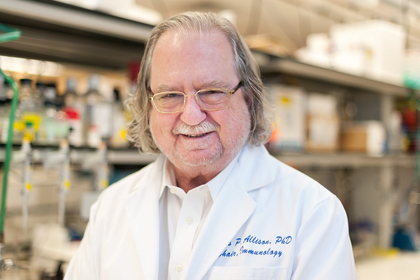
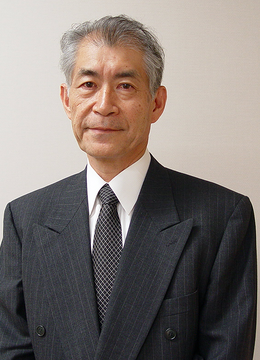
Fig 2. James P. Allison(left) and Tasuku Honjo(right)
Why is “tumor immunity” winning?
Tumor treatment mainly adopts three methods, surgical resection, radiotherapy and chemotherapy. But it’s still too early to be truly “conquering the tumor” – more than 90% of patients die from tumor recurrence or metastasis.
There is immunosuppression in the tumor (passive braking). Conversely, de-immunization (removing the brakes) has the potential to control the tumor. As a negative immunoregulatory factor for tumors identified by James Allison and Tasuku Honjo (see Fig 3 below), a mechanism study of CTLA-4 and PD-1 compensates for this deficiency: in 2010, patients with advanced melanoma were overall survival that were extended after CTLA-4 antibody. In 2012, PD-1 antibodies achieved better results in a variety of advanced tumors. Subsequent studies have again confirmed that the PD-1 antibody has a better transient test than the CTLA-4 antibody; therefore, the US Food and Drug Administration (FDA) has approved more indications.
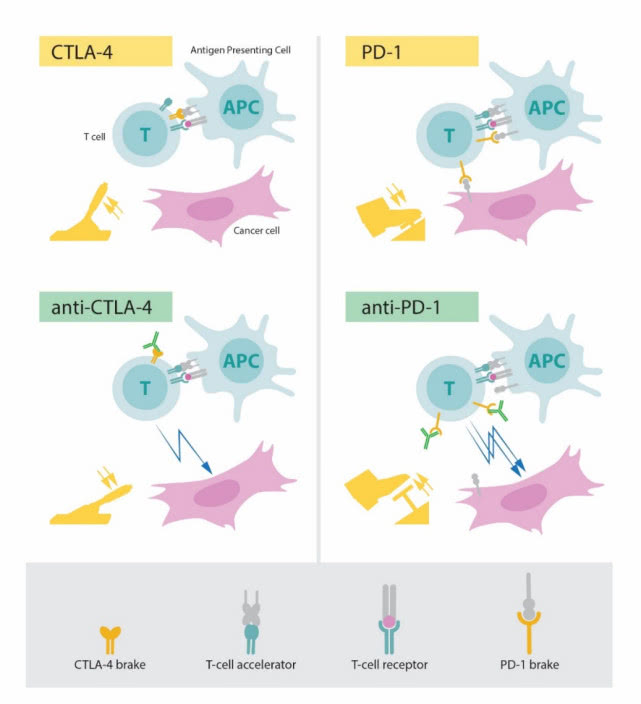
Fig 3. Mechanism of action of CTLA-4 antibody and PD-1 antibody (from the Nobel Prize official website)
Immune checkpoint treatment
In 1996, James P. Allison and his team discovered the T cell protein CTLA-4, which was found in clinical studies in 2010 to treat advanced melanoma; in 1992, Tasuku Honjo discovered PD-1 and clinically in 2012. The study found that it can treat different types of cancer. The treatment of immunological checkpoints has fundamentally changed the therapeutic effects of some patients with advanced cancer.
For over 100 years, scientists have tried to fight cancer through the immune system. The clinical advances in cancer immunotherapy are still limited until the groundbreaking discovery of two Nobel Prize winners this year. Today, “Immuno-Checkpoint Therapy” has revolutionized cancer treatment and fundamentally changed our perception of cancer treatment.
Related products and services:
]]>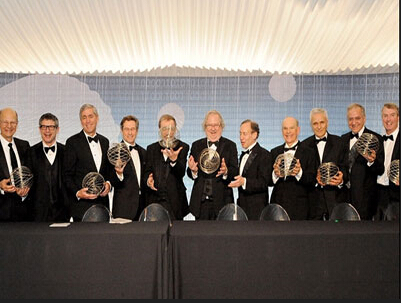
The Breakthrough Award in Life Sciences is used to reward those who focus on promoting breakthrough research in life sciences. The award has inspired mass people and aims to encourage those enthusiastic researchers to pursue science as a life-long career, trying to make great progresses in the fight against cancer, diabetes, Parkinson, neurodegenerative disorders and other diseases research. Details about the five winners are as followed.
1. Edward S. Boyden
He is from the Massachusetts Institute of Technology. And he was awarded because of the development and implementation of optogenetics, which is a program of neurons designed to express light-activated ion channels and pumps so that their electrical activity can be controlled by light.
2. Karl Deisseroth
He is from the Stanford University and Howard Hughes Medical Institute, And he was awarded for the development and implementation of optogenetics, too. The neural tools can help researchers understand the brain from cognitive and emotional control network, and then repair troublesome brain diseases more systemically.
3. John Hardy
He comes from the Imperial College, London, UK, where he studied dopamine and amino acid neuropharmacology. He was awarded for discovering mutations in the Amyloid Precursor Protein gene that could cause early onset Alzheimer’s disease, linking accumulation of APP-derived beta-amyloid peptide to Alzheimer’s pathogenesis. In addition, he has inspired some new strategies for disease prevention as well.
4.Helen Hobbs
She is from the University of Texas Southwestern Medical Center and Howard Hughes Medical Institute and has obtained her undergraduate degree in human biology. She was awarded the prize for the discovery of human genetic variants that alter the levels and distribution of cholesterol and other lipids, which inspires new approaches to the effective prevention of cardiovascular and liver disease. She also provides some new insights in this particular field, which could help reduce the risk of coronary heart disease in the future. Maybe cardiovascular and cerebrovascular diseases will become a simple preventable, treatable disease.
5. Svante Pääbo
He is from the Max Planck Institute. He was awarded for pioneering the sequencing of ancient DNA and ancient genomes, thereby illuminating the origins of modern humans, the relationships to extinct relatives, and the evolution of human populations and traits. His work suggests that all human ancestors can be traced back to a small group of Africans and later scattered around the world, which might be helpful in studying ancient genome information.
By challenging conventional thinking and expanding knowledge over the long term, scientists can solve the biggest problems of current time. Given the fact, maybe modern biotechnology will change our life to a large degree in the future!
]]>The Most Coincidental Winner
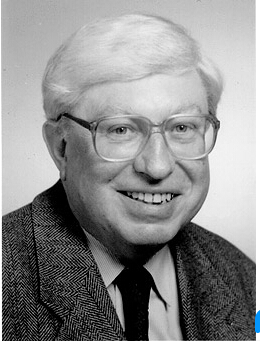
October 10, 2007, the Nobel Prize in Chemistry was announced; the German scientist Gerhard Ertl received the prize because of his outstanding contributions to the field of surface chemistry. Coincidentally, that day happened to be Ertl’s 71-year-old birthday. In occasion of the birthday, he could get so glorious prize, Ertl was very happy. He said it was the best birthday present that anyone could image; it could only happen once during the lifetime.
The Most Unexpected Winner
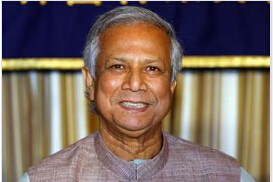 Compared with physics, chemistry and other highly specialized awards, the Peace Prize can raise the public’s attention to a larger degree, but sometimes some unexpected winners might appear. In October 2006, many expected winners fell by the wayside while the Grameen Bank and its founder Muhammad Yunus was awarded. This result was far beyond the forecast of many media. As is known, according to Nobel’s will, the Peace Prize should be awarded to the one who has contributed to promoting the unity and friendship between nations. But in 2006, the winner of Peace Prize was from a rarely involved realm-the banking industry.
The Most Unique Winner
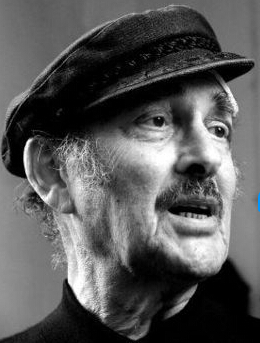 Due to health reasons, the winner of 2005’s Nobel Prize in Literature Harold Pinter (a British playwriter) did not personally go to Sweden to accept the award, but he pre-recorded his speech. However, outstanding and unique Pinter did not mention literature in his speech but rather focused on talking about political issues. He strongly condemned the American President George W. Bush and the British Prime Minister Tony Blair that time, saying they should be prosecuted because of the invasion of Iraq.
The Youngest Winner
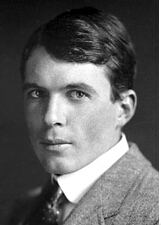 So far, the youngest Nobel winner is Lawrence Bragg. In 1915, he received the Physics Prize because of his research on the X-ray’s crystal structure. He was only 25 years old when he was awarded. And he shared the award with his father.
The Nobel Prize might be the dream of most scholars, whether in literature, chemistry or other researching fields. However, the most important element is that they should try to keep up this special dream for ever!
]]>