Peptide library is a group of a large number of several million or more peptides arranged in sequence, that is, the combination of amino acid sequences of peptides of this length. The peptide library is a series of peptides and amino acid chains, which are an important part of life. Peptide libraries can be produced by companies that specialize in peptides and other biological materials, or they can be produced in the laboratory. In a laboratory capable of synthesizing peptides, many researchers order peptide libraries from companies. Complete the order very quickly. Peptide libraries are generally available to anyone who wants to order. Like many biological materials used in research, peptides are not strictly controlled because they are not considered potentially dangerous. This also makes it easy for laboratories and researchers to quickly obtain the peptides they need. In contrast, dangerous biological materials such as viruses may be restricted.
Types of peptide libraries
The simplest combinatorial peptide library is the Parallel library. The peptides of each sequence in this peptide library are synthesized in a separate reactor to ensure the quality of the peptide library. This method has a small amount of synthesis and can improve efficiency through automation and microwave technology.
The second peptide library is the Random library, which generates millions of peptides with different sequences in each reactor, which facilitates rapid screening of a large number of peptides.
What is an overlapping peptide library
Overlapping Peptide Library-This tool allows you to generate overlapping peptides to cover the full length of the protein of interest. You can define sequence parameters, such as the length of the peptide segment and the number of amino acid offsets (see fig1). The designed sequence can be edited and exported to word or Excel format. The design of overlapping peptide library is mainly determined by the two parameters of peptide chain length and offset number. The design is gradually intercepted from the N-terminus of the target protein to the C-terminus. Each time one or a few amino acids are transferred, there is partial overlap between the sequences. Finally, an overlapping peptide library is formed.
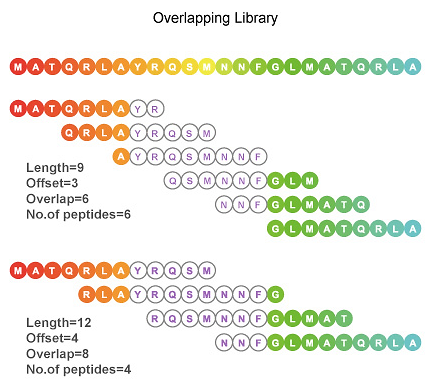
Figure 1. What is an overlapping peptide library
Production method
By artificially synthesizing genes encoding random polypeptide segments, and then cloning these genes into phage vectors, using phage epitope display technology to display the polypeptides one by one on the surface of the phage to construct a polypeptide library. Many peptide libraries are produced on solid supports such as resins or beads, and they can also be packed in vials or test tubes. Based on the specific interactions between biological macromolecules, small molecules that can mimic the biological functions and activities of specific biological macromolecules can be screened from the library through specific immune responses similar to antigens and antibodies.
Application areas of overlapping peptide libraries
Peptide libraries can be used in a wide range of research applications, and people hope to study combinations of various amino acids. Researchers who want to identify specific peptides or understand the role of peptides in cells can also use these peptide libraries. Like those engaged in drug development, peptide libraries can be used to identify active compounds. Other uses include protein purification and the development of synthetic vaccines. The peptide library can also be used to study intracellular signaling pathways. Overlapping peptide libraries design key short peptide sequences based on the target protein or long peptide, which can be used to identify antigen peptide sequences, screen enzyme substrates, and identify T cell epitopes.
References
- Lam K S, Salmon S E, Hersh E M, et al. A new type of synthetic peptide library for identifying ligand-binding activity[J]. Nature, 1991, 354(6348): 82-84.
- Schatz P J, Cull M G, Miller J F, et al. Peptide library and screening method[J]. EP, 2000.
- Reese G, Ayuso R, Leong-Kee S M, et al. Characterization and identification of allergen epitopes: recombinant peptide libraries and synthetic, overlapping peptides[J]. Journal of Chromatography B: Biomedical Sciences and Applications, 2001, 756(1-2): 157-163.
- Li X, Wang L, Zhao D, et al. Identification of host cell binding peptide from an overlapping peptide library for inhibition of classical swine fever virus infection[J]. Virus genes, 2011, 43(1): 33-40.
Editor: Czech Republic
This volume first presents evidence for the earthworm’s immune system; the results strongly suggest that certain molecules of the earthworm’s immune system may be exploited as natural antibiotics – thus the biomedical applications.
2. Amino Acids and Peptides
Editor: OL Mndzhoyan, TE Agadzhanyan, NN Fradkina, OM Avakyan, OS Noravyan
The approach is intended toencourage the reader to cross classical boundaries, such as in the laterchapter on the biological roles of amino acids and the design of peptide-based treatments.
3. Peptide and Protein Drug Analysis
Editor: Ronald E. Reid
Furthering efforts to simulate the potency and specificity exhibited by peptides and proteins in healthy cells, this remarkable reference supplies pharmaceutical scientists with a wealth of techniques for tapping the enormous therapeutic potential of these molecules-providing a solid basis of knowledge for new drug design.
4. HPLC of Peptides and Proteins: Methods and Protocols
Editor: Marie-Isabel Aguilar
The introduction of high-performance liquid chromatography (HPLC) to the analysis of peptides and proteins some 25 years ago revolutionized the biological sciences by enabling the rapid and sensitive analysis of peptide and protein structure through the exquisite speed, sensitivity, and resolution that can be easily obtained.
5. Peptide Synthesis Protocols
Editor: Michael W. Pennington, Ben M. Dunn
Peptide synthesis has emerged as one of the most powerful tools in biochemical, pharmacological, immunological, and so on.
6. Peptide Hybrid Polymers
Editor: Harm-Anton Klok, Helmut Schlaad
The construction of well-defined hybrid materials consisting of synthetic polymers and (poly)peptides or proteins has attracted much attention in recent years.
7. Antibacterial Peptide Protocols (Methods in Molecular Biology)
Editor: William Schaffer
The topic of this volume of Methods in Molecular Biology, the diverse methods used in research on antibacterial peptides, is thus quite timely. It is essential that reliable techniques and strategies be made available not only to those of us in the field, but also to the newcomers and researchers in complementary disciplines.
8. Peptide and Protein Design for Biopharmaceutical Applications
Editor: Knud Jensen
Peptides serve as effective drugs in the clinic today. However the inherent drawbacks of peptide structures can limit their efficacy as drugs. To overcome this researchers are developing new methods to create ‘tailor-made’ peptides and proteins with improved pharmacological properties.
9. Cell-Penetrating Peptides Methods and Protocols
Editor: GY Wiederschain
The classical view on how peptides enter cells has been changed due to the development in the research field of cell-penetrating peptides (CPPs).
10. Peptide and Protein Delivery (Kindle Edition)
Editor: Chris Van Der Walle
A needed reference for entry level researchers and researchers working in interdisciplinary / collaborative projects, Peptide and Protein Delivery addresses the current and emerging routes for delivery of therapeutics.
A new model for analyzing antimicrobial peptides as well as stable isotope labeling with biomedical applications could be significant in promoting modern scientific studies!
]]>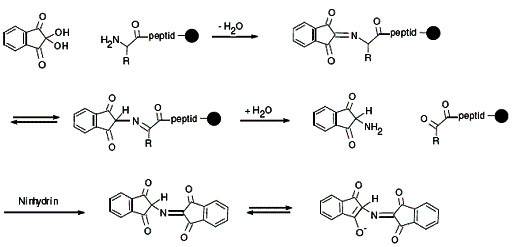 In order to prevent the occurrence of side reactions, it is necessary to protect the side chains of amino acids that participate in the reaction. The carboxy terminus is free, and must be activated before the reaction. To be more specific, two main methods of solid phase synthesis are used in applications, namely Fmoc and tBoc. And because Fmoc owns more advantages than tBoc, now researchers mostly utilize Fmoc synthesis. When it comes to specific synthesis cycle, it mainly consists of the following components:
1. Protection: protective pillars and monomers must remove the amino group’s protection gene by using an alkaline solution (piperidine).
2. Activation and crosslinking: carboxyl group of next amino acid is activated by an activating agent. Activated monomer connecting with the free amino crosslinking can form a peptide bond. In this step, a large number of super-concentration reagents that can drive the reaction effectively are indispensable. As for the cycle, it means it’s a two-step reaction cycle, which should keep repeating until the synthesis is completed.
3. Elution and deprotection: peptides elute from the column, and the protecting group is eluted and deprotected by a deprotecting agent (TFA).
Actually, during the process of polypeptide synthesis, ammonium lactate, bradykinin, C peptide and some other substances might be stressed more. In addition, the synthesis is connected with the selection of resin and fixation of amino acids. It’s common to know the most important feature of distinguishing solid phase synthesis and other techniques is solid support, because synthesis carrier that can be used for solid phase peptide must meet the following requirements: containing reactive sites, owning physically and chemically stable condition, allowing rapid and unimpeded contact between the growing peptide chain and reagents, and providing enough connection points. Therefore, each unit volume of the carrier can give a useful yield of peptides and the need to minimize the interaction of the polypeptide chains by carrier bound will be realized.
There are mainly three types can be widely used for solid phase synthesis: polystyrene-divinyl benzene crosslinked resins, polyacrylamide, and polyethylene-glycol based resins and derivatives. In terms of different reactive groups, the stability of amino acids could be varying, because the stability is realized by protecting carboxyl of amino acids and the reaction groups of resin. In summary, polypeptide synthesis is able to promote the stability of amino acids by protecting the covalent and certain other substances like amide bound.
]]> Specifically, the most commonly used for this unique synthesis process is solid phase synthesis; the amino acid linked to the synthesis of the peptide chain on the resin can be automated operated. As is known, peptide synthesis has already developed to a series of areas, such as polypeptide synthesis, small peptide synthesis, nonribosomal peptide synthesis, cyclic peptide synthesis, and so on. Based on its wide use in related research fields, peptide synthesis is potential to make your study much easier, because it can provide a large number of practical functions in peptide synthesis for your study, enabling high-quality purification, synthesis, and production steps.
In addition, a variety of proprietary technologies, peptide manufacturing facilities, and expertise are applied to provide large-volume, high-quality and complex custom peptides from research grade to GMP production, giving you the flexibility you need for custom peptides. Certainly, peptide synthesis has other characteristics as well. Actually, the combination of solid phase and liquid phase synthesis can be realized with the support of microwave and ligation technologies, as well as the particular FlexpeptideTM technology platform. While as for its features, they mainly include different purity levels, optimized Fmoc and Boc methodologies, bulk scale contract synthesis, stable isotope labeling, etc.. During the synthesis process, each step or additional procedure for every peptide should be payed enough attention, because only in this way can the peptide synthesis really improve researchers’ studies.
To be general, peptide synthesis is the production of peptides, which means the synthesis is a complex process that requires enough concerns. Current biotechnology is developing in a rapid trend so that peptide synthesis is going to benefit from the magic power of modern technology, discovering more available peptide products to meet increasing daily needs.
]]>