Novel coronavirus (COVID-19) is known to cause acute respiratory distress syndrome (ARDS), which causes about 50 percent of ARDS deaths despite intensive care and mechanical ventilation. Therefore, patients with coronavirus infection who develop ARDS are at a particularly high risk. Professor Javitt said: “After carefully reviewing the preclinical and clinical data submitted to FDA for IND and orphan drug certification for Aviptadil, we believe that Aviptadil may be a safe and effective ARDS treatment in general, especially for ARDS caused by COVID-19. Due to the rapid expansion of the epidemic and unusual unmet medical needs, we are prepared to start clinical trials as soon as possible so that potentially life-saving treatments can be brought to market as soon as possible. ”
Acute respiratory distress syndrome (ARDS) is a type of respiratory failure characterized by rapid development of diffuse inflammation in the lungs. Symptoms include shortness of breath, shortness of breath and skin cyanosis. A decline in the quality of life is relatively common among survivors. Causes may include viral infection, sepsis, pancreatitis, trauma, pneumonia and inhalation. The underlying mechanism involves diffuse cellular injury, the formation of microscopic balloon barriers in the lungs, dysfunction of surfactant, activation of the immune system and dysfunction in the regulation of blood coagulation. In fact, ARDS can impair the lung’s ability to exchange oxygen and carbon dioxide. The primary treatment includes mechanical ventilation, combined with treatment for the underlying etiology. Ventilation strategies include low flow and low pressure. If oxygenation is still insufficient, alveolar stretching and neuromuscular blockers can be used. The mortality rate of the syndrome ranges from 35% to 50%. Worldwide, ARDS affects more than 3 million people every year.
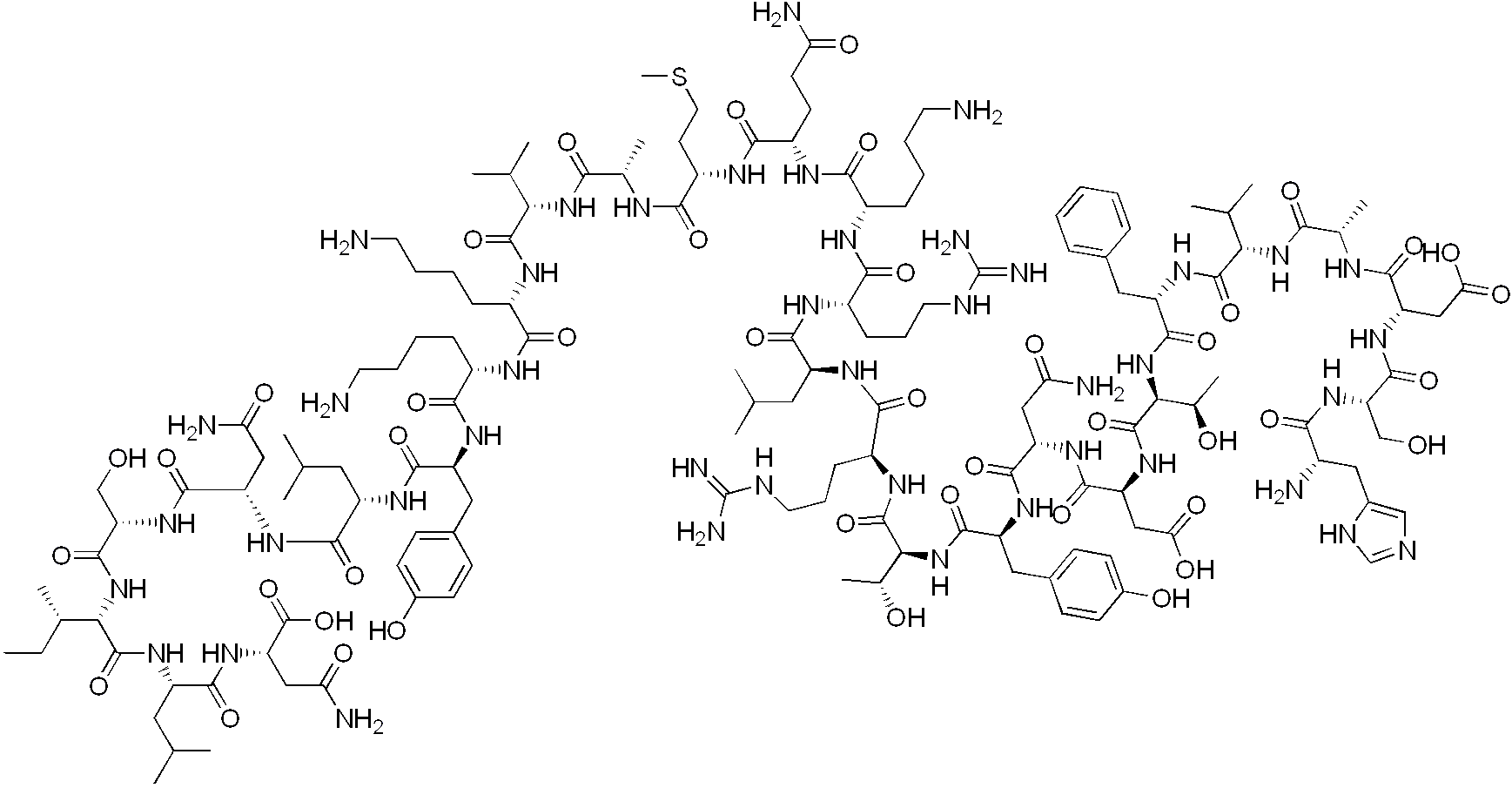
Aviptadil is a patented dosage form of vasoactive intestinal polypeptide (VIP). VIP was originally developed as a combination of phentolamine and is now sold in Europe for the treatment of erectile dysfunction. It is known that VIP is highly concentrated in the lung and can inhibit a variety of inflammatory cytokines. In 2001, Aviptadil was certified by American FDA Orphan Drug for the treatment of acute respiratory distress syndrome, and in 2005, it was certified for the treatment of pulmonary hypertension. Aviptadil was certified as an orphan drug by the European Drug Administration in 2006 for the treatment of acute lung injury and in 2007 for the treatment of sarcoidosis. Both FDA and EMEA in the United States have issued licenses for new drugs under development in Aviptadil Phase 2 human trials. The University of Freiburg in Germany is currently conducting a clinical study to evaluate the effectiveness of Aviptadil in patients with pulmonary sarcoidosis.
A large number of animal studies have shown that Aviptadil may reduce pulmonary inflammation in a variety of models and edema. Human phase 1b/2 studies (involving a total of 76 patients) have shown that Aviptadil has the potential to relieve bronchospasm, reduce pulmonary hypertension and treat other features of pulmonary inflammation in some cases, including a significant reduction of alpha pro-inflammatory cytokine tumor necrosis factor (TNF–α). Among them, a phase 2 preliminary trial of Aviptadil in 8 ARDS patients showed excellent safety and encouraging signals of potential efficacy.
References
- Jahangir, M. A., Muheem, A., & Rizvi, M. F. Coronavirus (COVID-19): History, Current Knowledge and Pipeline Medications. Int J Pharm Pharmacol 2020; 4: 140. doi: 10.31531/2581, 3080(2).
- Keshavarz, A., Kadry, H., Alobaida, A., & Ahsan, F. (2020). Newer approaches and novel drugs for inhalational therapy for pulmonary arterial hypertension. Expert Opinion on Drug Delivery, 1-23.
- Sommer, N., Ghofrani, A., Pak, O., Bonnet, S., Provencher, S., Sitbon, O., … & Kiely, D. G. (2020). Current and future treatments of pulmonary arterial hypertension. British Journal of Pharmacology.
]]>
Professor Jiang Shibo’s research group of Fudan University has found a highly effective peptide inhibitor against Middle East respiratory syndrome coronavirus. This result is of great significance for the further study of the invasion mechanism of the virus and the development of specific drugs for the prevention and treatment of the virus. The related research papers were published in the international journal Nature Communications.
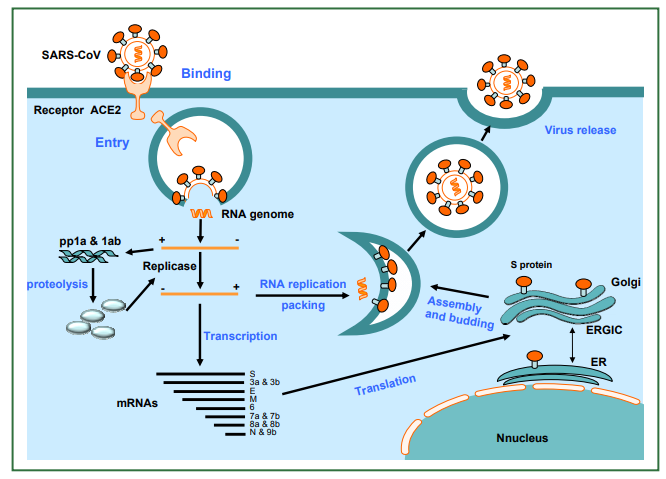
In cooperation with Professor Zhang Rongguang of the Institute of Biophysics of the Chinese Academy of Sciences and Academician Yuan Guoyong of the University of Hong Kong, Jiang Shibo’s research team first studied the fusion of Mars coronavirus and the mechanism of its entry into host cells. The researchers focused on the important S2 protein core functional region of Mars virus, obtained the three-dimensional structure map of this core functional region by crystallization technique, and designed and synthesized a series of virus fusion inhibitory peptides. Finally, it was found that one of the peptides could effectively inhibit the fusion and entry of Mars coronavirus into host cells. They named the peptide inhibitor HR2P, because it is a protein fragment from the HR2 domain of the S2 protein of Mars coronavirus.
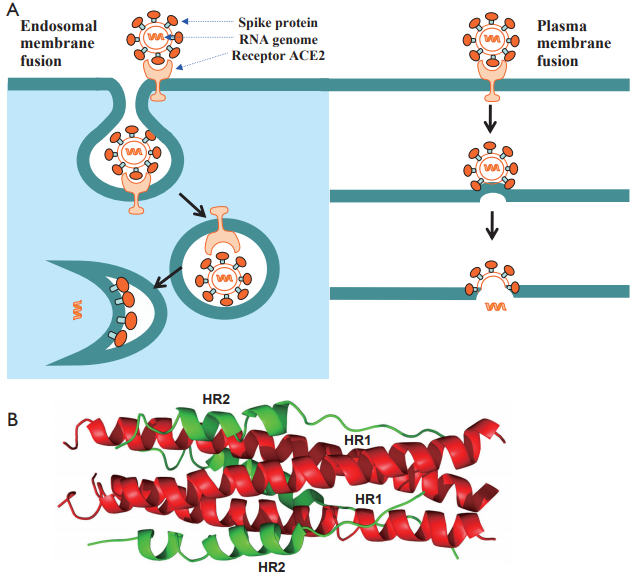
It is pointed out that the mechanism of peptide HR2P is that when Mars virus infects human cells, the HR2 functional domain of S2 protein, which is the key protein of Mars virus, must interact with the HR1 functional domain of S2 protein before it can be allowed to enter human cells for reproduction. The peptide HR2P they found can bind to the HR1 functional domain of Mars virus S2 protein in advance, thus blocking the binding between the HR2 functional domain and HR1 functional domain of Mars virus S2 protein, so that the virus can no longer infect human cells.
Jiang Shibo vividly said: “the HR1 and HR2 functional areas of Mars virus S2 protein are like people’s left and right hands, and their left and right hands must be held tightly in order to survive. The peptide HR2P we found deliberately created an identical fake right hand, and this false right hand can hold the real left hand in advance, creating the illusion of ‘clenching’, resulting in the real left hand being unable to hold with the real right hand, thus losing the condition to live. ”
The S gene of 2019-nCoV and the S gene of RaTG13 are longer than those of other SARSr-CoV. Compared with SARS-CoV, the main difference of S protein of 2019-nCoV is that three short insertion sequences in the N-terminal domain and four key amino acid residues in the receptor-binding motif have changed. Whether the insertion sequence of the N-terminal domain of the S protein of 2019-nCoV has the sialic acid-binding activity like that of MERS-CoV needs to be further studied.
Due to the lack of specific treatment and considering the affinity between SARS-CoV/MERS and 2019-nCoV, some drugs and preclinical vaccines against SARS-CoV/MERS may be used to fight the virus. Finally, in view of the widespread of SARSr-CoV/MERS in their natural virus libraries, future research should focus on active surveillance of them in a wider geographical area. In the long run, broad-spectrum antiviral drugs and vaccines should be prepared for future emerging infectious diseases caused by such viruses.
References
1. Zhu, X., Liu, Q., Du, L., Lu, L., & Jiang, S. (2013). Receptor-binding domain as a target for developing SARS vaccines. Journal of thoracic disease, 5(Suppl 2), S142.
2. Xia, S., Liu, Q., Wang, Q., Sun, Z., Su, S., Du, L., … & Jiang, S. (2014). Middle East respiratory syndrome coronavirus (MERS-CoV) entry inhibitors targeting spike protein. Virus research, 194, 200-210.
3. Chan, J. F. W., Yuan, S., Kok, K. H., To, K. K. W., Chu, H., Yang, J., … & Tsoi, H. W. (2020). A familial cluster of pneumonia associated with the 2019 novel coronavirus indicating person-to-person transmission: a study of a family cluster. The Lancet.
]]>