The innate immune system constitutes the first line of defense against invading microbial pathogens. TREM-1 (a trigger receptor expressed on myeloid cell-1) is an immunoreceptor expressed on innate immune cells. TREM-1 regulates inflammation and leads to a vigorous immune response. Unlike most inhibitors, TREM-1 based inhibitors have unique therapeutic capabilities. The ability to use immunomodulation can control the cause of the harmful effects observed by the patient, but does not completely eliminate the inflammatory response. Because inflammatory reactions are still necessary, such as for bacterial clearance.
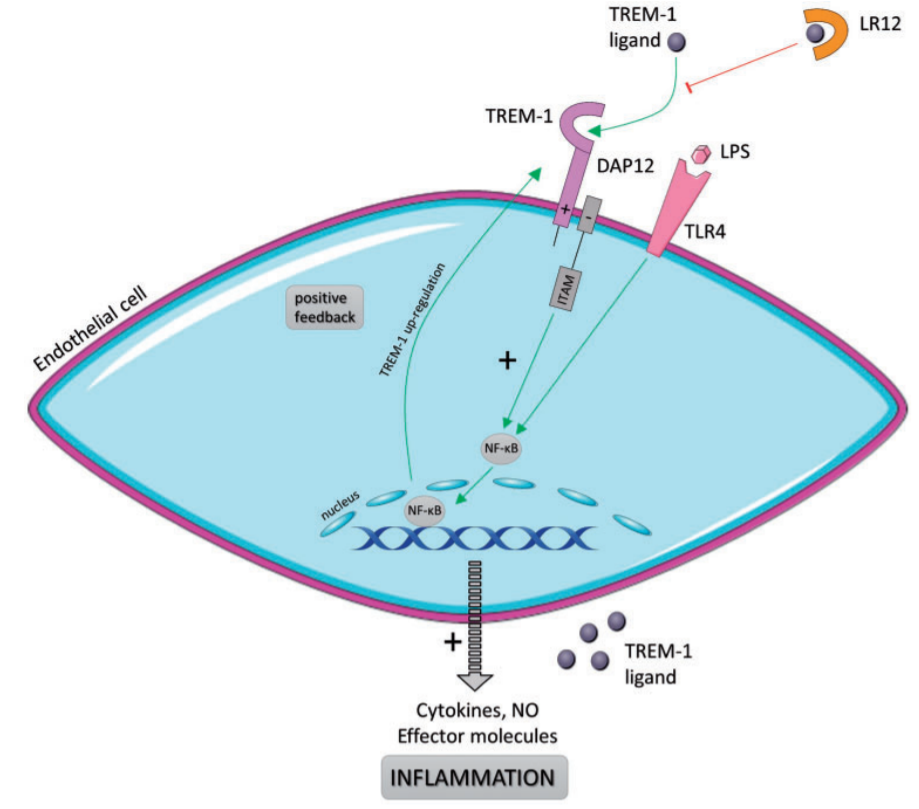
Figure 1 Schematic representation of TLR4–TREM-1 relationship (Jolly et al 2018)
Inotrem found that the TREM-1 pathway is a key factor leading to an imbalance in the inflammatory response. The company has developed an innovative individualized medical approach based on TREM-1 inhibition for indications characterized by acute or chronic inflammatory syndrome. The reported study was an 11-month multicenter Phase IIa clinical trial in which 49 septic shock patients were enrolled in four European countries (Belgium, France, the Netherlands, and Spain). These results provide positive data on the safety and tolerability of Inorem’s primary candidate, nangibotide, in patients with septic shock. Studies have also shown that nangibotide treatment provides a consistent trend for more favorable biological and clinical activity marker evolution in subpopulations of patients with soluble TREM-1 levels above the median value. These results support Inotrem’s personalized medical approach: using soluble TREM-1 levels in the blood as potential biomarkers for identifying patients most likely to benefit from cystic peptide therapy. The results of this clinical trial reinforce previous preclinical and clinical findings, particularly regarding the safety, biological and clinical activity of cyst peptides and the use of sTREM-1 as a companion biomarker for patient selection.
Nangibotide is a preparation of the active ingredient LR12, and LR12 is a chemically synthesized peptide of 12 amino acids in length. LR12 is a specific TREM-1 inhibitor that acts as a decoy receptor and interferes with the binding of TREM-1 to its ligand. In the preclinical septic shock model, nangibotide is able to restore proper inflammatory response, vascular function, and improve survival after septic shock in animals.
References
- Jolly, L. , Carrasco, K. , Derive, M. , Lemarié, Jérémie, Boufenzer, A. , & Gibot, Sébastien. (2018). Targeted endothelial gene deletion of triggering receptor expressed on myeloid cells-1 protects mice during septic shock. Cardiovascular Research.
- Parent, M. , Boudier, A. , Maincent, P. , Gibot, S. , Aitoufella, H. , & Boufenzer, A. , et al. (2018). Lr12-peptide quantitation in whole blood by rp-hplc and intrinsic fluorescence detection: validation and pharmacokinetic study. Biomedical Chromatography, 31.
- Scientists are expected to develop a new type of cellular permeable peptide chimera to promote wound healing.
In recent years, cell penetrating peptides as drug delivery carriers have aroused great interest among scientists. They may help develop new therapeutic agents or cosmetics. In general, compounds with a molecular weight greater than 500Da can hardly pass through the biofilm. In a recent study, researchers covalently combined a sequence that promotes wound healing with cellular osmotic peptides to improve the efficiency of drug transport in cell membranes. The new peptides ingested by cells can be conjugated into keratin cells, which can significantly improve drug transport under good tolerance.
- AJP: Intestinal peptide is helpful to improve the success rate of corneal transplantation.
A recent article published in the journal American Journal of Pathology found for the first time that injecting neuropeptide (VIP), into the eyes of mice could improve the success rate of corneal transplantation. VIP also has other advantages, such as accelerating wound healing, protecting corneal endothelial cells and improving the cleanliness of corneal transplantation. If the treatment is approved, it will help solve the problems of many patients with corneal diseases.
- Cancer Cell: Scientists develop peptide drugs for accurate treatment of prostate cancer.
In a new study recently published in the international academic journal Cancer Cell, researchers from the University of Michigan developed a new treatment strategy that targets genetic mutations in about half of prostate cancer. When the two genes, TMPRSS2 and ERG, are relocated and fused on chromosomes, prostate cancer development is turned on. However, the development of small molecule inhibitors targeting ERG has always been a great challenge.
- Nature journal: Magic peptides that can effectively deal with drug-resistant bacteria.
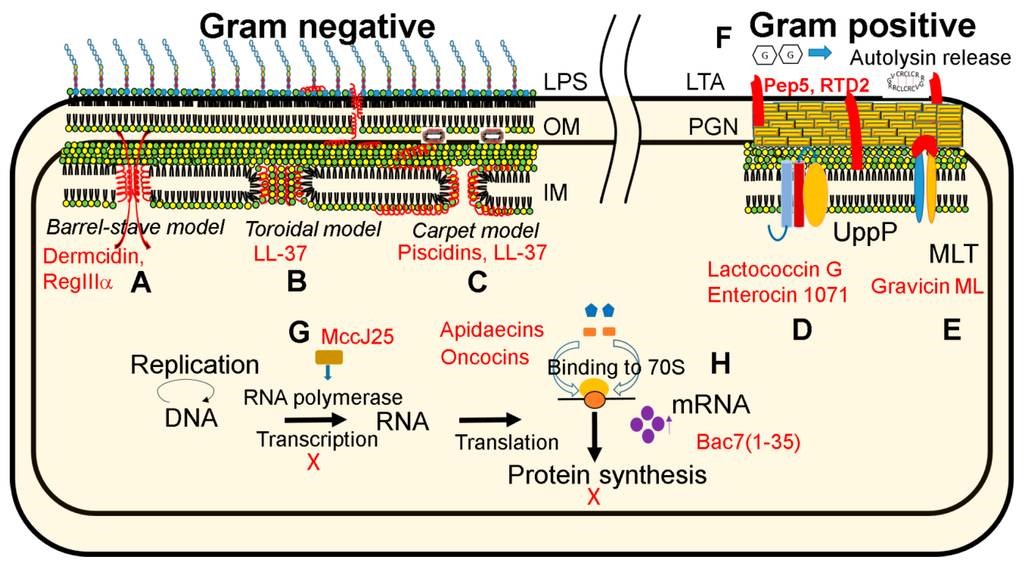
Worldwide abuse of antibiotics has received a lot of attention recently. As a result of excessive use of antibiotics, more and more bacteria have developed drug resistance, resulting in the emergence of “superbugs”. At the same time, the development of new antibiotics has not been able to keep pace with the evolution of bacteria. According to the World Health Organization, 10 million people could die of drug-resistant bacteria each year by 2050. In order to update the arsenal of weapons to deal with bacteria, some scientists have taken different measures. Recently, researchers from the Massachusetts Institute of Technology, the University of Brasilia and the University of British Columbia in Canada have designed an antibacterial peptide that can destroy many kinds of bacteria, including drug-resistant bacteria. The results were published in the journal Scientific Reports.
- Tuberculosis: Specific peptides from fungi are expected to treat tuberculosis.
In a recent study published in the international journal Tuberculosis, scientists from Lund University found that. A special peptide isolated from saprophytic ascomycetes (Pseudoplectania nigrella) is expected to be used as a new antibiotic to inhibit the growth of Mycobacterium tuberculosis.
- Hypertension: Peptides in spirulina may have obvious antihypertensive effect.
In a recent study published in the international journal Hypertension, scientists from institutions such as the University of Rome said that a peptide extracted from spirulina may be able to fight high blood pressure by dilating blood vessels. The results are expected to help researchers develop new treatments for hypertension at a later stage.

- Ang Chem Int Ed: scientists have developed new macrocyclic peptides that are expected to treat Alzheimer’s disease and type 2 diabetes.
At present, researchers have not developed effective treatments to resist the formation of amyloid protein in patients with Alzheimer’s disease and type 2 diabetes mellitus. Recently, scientists from the Technical University of Munich have found a solution by describing a new macrocyclic peptide molecule that can effectively inhibit the formation of amyloid proteins. The study was published in the international journal Angewandte Chemie International Edition.
- Diabetes: Natural peptides may improve glucose and insulin sensitivity and reduce body weight.
In a recent study published in the international journal Diabetes, researchers from the University of California found that obese mice were treated with peptides naturally found in the body called catechol somatostatin (CST). Or can significantly improve the level of glucose and insulin tolerance in mice, but also reduce the body weight of mice. The researchers point out that CST plays a key role in the recruitment and function of macrophages in the liver, as well as in regulating obesity-related liver inflammation and insulin tolerance.
- PLoS ONE: novel peptides can kill neuroma cells by blocking DNA replication.
Neurocytoma is one of the cancers that cause childhood death, accounting for 15% of childhood cancer deaths, and the 5-year survival time of high-risk neuroma patients is often 40% to 50%. Recently, in a research paper published in the international journal PLoS ONE, researchers found that a peptide called R9-caPep can target neuroma cells. It destroys the proliferation of nuclear antigen (PCNA) to kill neurocytoma cells. PCNA is an essential protein for DNA synthesis, replication and repair of neuroma cells.
- Immunity: A host defense peptide in frog mucus can kill many influenza virus strains.
Frog mucus contains molecules that kill bacteria and viruses, and scientists are beginning to study its use as a potential source of a new antimicrobial drug. In a new study, researchers from Emory University, Mount Sinai Icahn Medical School and the Rajiv-Gandhi Biotechnology Center in India reported that in Hydrophylax bahuvistara, a brightly colored tennis-sized frog species in southern India, A host defense peptide can eliminate a variety of influenza virus strains. The researchers named the newly identified peptide “urumin,” and the results are published in the journal Immunity.
]]>
 How much do you know about Creative Peptides?
In the year of 2005, a group of professional scientists with the common ambition of conquering intractable diseases like cancer formed Creative Peptides in Shirley, New York. With years of efforts, it has now developed into an advanced global biotech company with offices in Germany, UK and China, serving an increasing number of laboratories, individual scientists as well as institutes around the whole world.
More specifically, Creative Peptides offers custom peptide services using a unique portfolio of specific technologies. We have profound expertise in small- and large-scale solid phase peptides synthesis using both Boc- and Fmoc strategies as well as solution phase peptide synthesis. A staff with decades of experience in peptide chemistry will help you with the design and synthesis of your peptides and related products.
The mission of Creative Peptides
Considering the encouragement of increasing market demands, Creative Peptides has already updated its technology platform in peptides production. Our mission is to meet all the specific requirements from researchers and scientists by providing them with accesses to the cutting-edge technologies in the field of bioactive peptides. Clearly, quality and efficiency are also what we are up to.
What you can expect on this blog?
Everything interesting or serious may be posted here, such as the latest research in peptides, the mysterious creatures in biology, and so on. We are going to present you industry news, the updated biotechnologies, the hottest research fields recently, the stories of scientists or researchers who have done great contribution to the development of Biology, and more. I believe you will love our blog a lot.