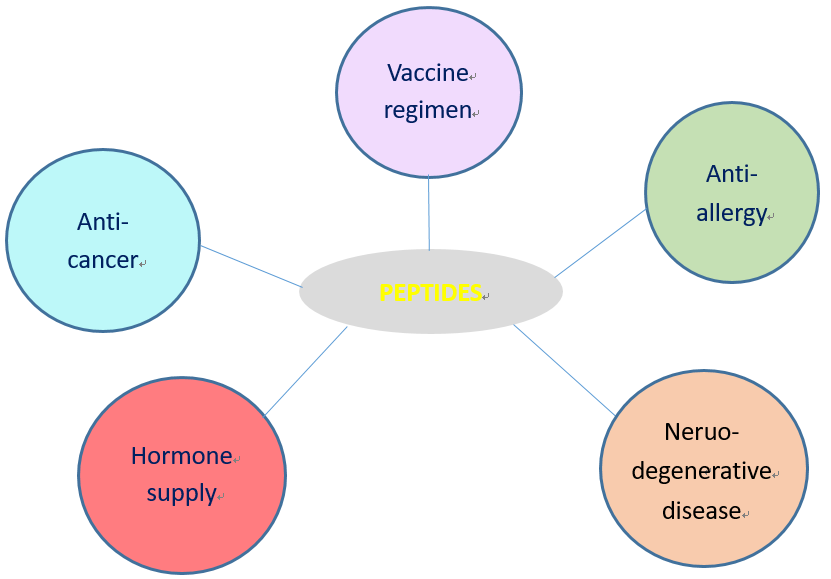
- Scientists are expected to develop a new type of cellular permeable peptide chimera to promote wound healing.
In recent years, cell penetrating peptides as drug delivery carriers have aroused great interest among scientists. They may help develop new therapeutic agents or cosmetics. In general, compounds with a molecular weight greater than 500Da can hardly pass through the biofilm. In a recent study, researchers covalently combined a sequence that promotes wound healing with cellular osmotic peptides to improve the efficiency of drug transport in cell membranes. The new peptides ingested by cells can be conjugated into keratin cells, which can significantly improve drug transport under good tolerance.
- AJP: Intestinal peptide is helpful to improve the success rate of corneal transplantation.
A recent article published in the journal American Journal of Pathology found for the first time that injecting neuropeptide (VIP), into the eyes of mice could improve the success rate of corneal transplantation. VIP also has other advantages, such as accelerating wound healing, protecting corneal endothelial cells and improving the cleanliness of corneal transplantation. If the treatment is approved, it will help solve the problems of many patients with corneal diseases.
- Cancer Cell: Scientists develop peptide drugs for accurate treatment of prostate cancer.
In a new study recently published in the international academic journal Cancer Cell, researchers from the University of Michigan developed a new treatment strategy that targets genetic mutations in about half of prostate cancer. When the two genes, TMPRSS2 and ERG, are relocated and fused on chromosomes, prostate cancer development is turned on. However, the development of small molecule inhibitors targeting ERG has always been a great challenge.
- Nature journal: Magic peptides that can effectively deal with drug-resistant bacteria.
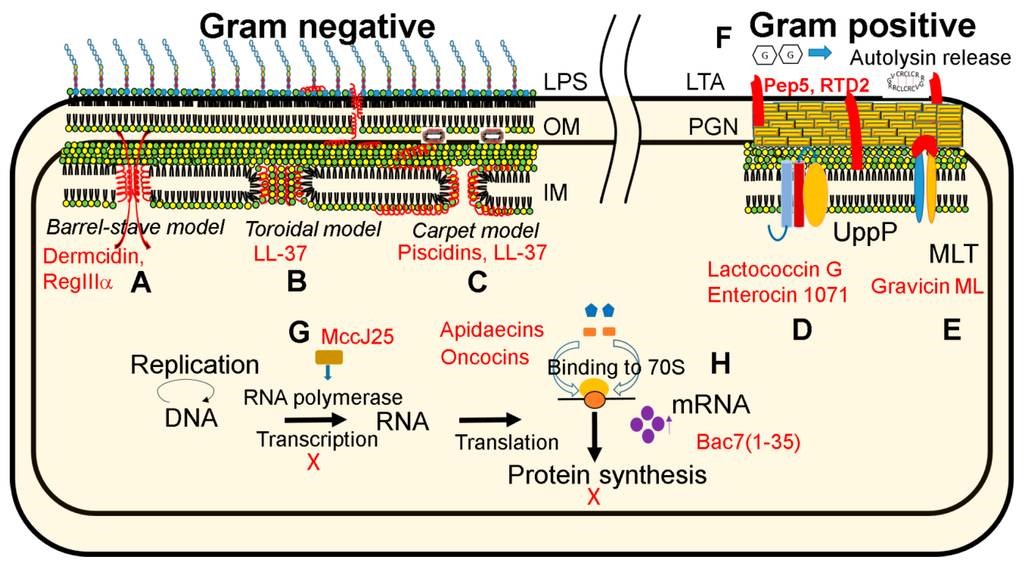
Worldwide abuse of antibiotics has received a lot of attention recently. As a result of excessive use of antibiotics, more and more bacteria have developed drug resistance, resulting in the emergence of “superbugs”. At the same time, the development of new antibiotics has not been able to keep pace with the evolution of bacteria. According to the World Health Organization, 10 million people could die of drug-resistant bacteria each year by 2050. In order to update the arsenal of weapons to deal with bacteria, some scientists have taken different measures. Recently, researchers from the Massachusetts Institute of Technology, the University of Brasilia and the University of British Columbia in Canada have designed an antibacterial peptide that can destroy many kinds of bacteria, including drug-resistant bacteria. The results were published in the journal Scientific Reports.
- Tuberculosis: Specific peptides from fungi are expected to treat tuberculosis.
In a recent study published in the international journal Tuberculosis, scientists from Lund University found that. A special peptide isolated from saprophytic ascomycetes (Pseudoplectania nigrella) is expected to be used as a new antibiotic to inhibit the growth of Mycobacterium tuberculosis.
- Hypertension: Peptides in spirulina may have obvious antihypertensive effect.
In a recent study published in the international journal Hypertension, scientists from institutions such as the University of Rome said that a peptide extracted from spirulina may be able to fight high blood pressure by dilating blood vessels. The results are expected to help researchers develop new treatments for hypertension at a later stage.

- Ang Chem Int Ed: scientists have developed new macrocyclic peptides that are expected to treat Alzheimer’s disease and type 2 diabetes.
At present, researchers have not developed effective treatments to resist the formation of amyloid protein in patients with Alzheimer’s disease and type 2 diabetes mellitus. Recently, scientists from the Technical University of Munich have found a solution by describing a new macrocyclic peptide molecule that can effectively inhibit the formation of amyloid proteins. The study was published in the international journal Angewandte Chemie International Edition.
- Diabetes: Natural peptides may improve glucose and insulin sensitivity and reduce body weight.
In a recent study published in the international journal Diabetes, researchers from the University of California found that obese mice were treated with peptides naturally found in the body called catechol somatostatin (CST). Or can significantly improve the level of glucose and insulin tolerance in mice, but also reduce the body weight of mice. The researchers point out that CST plays a key role in the recruitment and function of macrophages in the liver, as well as in regulating obesity-related liver inflammation and insulin tolerance.
- PLoS ONE: novel peptides can kill neuroma cells by blocking DNA replication.
Neurocytoma is one of the cancers that cause childhood death, accounting for 15% of childhood cancer deaths, and the 5-year survival time of high-risk neuroma patients is often 40% to 50%. Recently, in a research paper published in the international journal PLoS ONE, researchers found that a peptide called R9-caPep can target neuroma cells. It destroys the proliferation of nuclear antigen (PCNA) to kill neurocytoma cells. PCNA is an essential protein for DNA synthesis, replication and repair of neuroma cells.
- Immunity: A host defense peptide in frog mucus can kill many influenza virus strains.
Frog mucus contains molecules that kill bacteria and viruses, and scientists are beginning to study its use as a potential source of a new antimicrobial drug. In a new study, researchers from Emory University, Mount Sinai Icahn Medical School and the Rajiv-Gandhi Biotechnology Center in India reported that in Hydrophylax bahuvistara, a brightly colored tennis-sized frog species in southern India, A host defense peptide can eliminate a variety of influenza virus strains. The researchers named the newly identified peptide “urumin,” and the results are published in the journal Immunity.
]]>
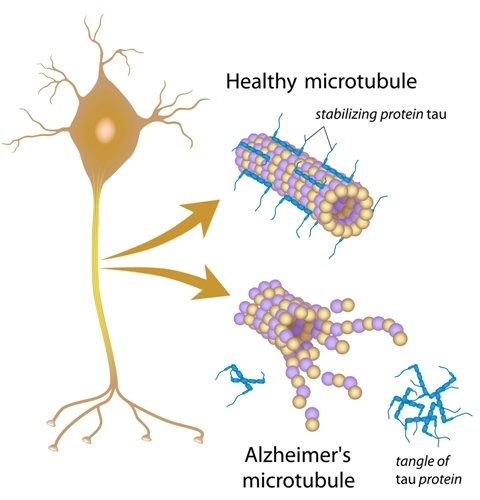
Recently, a study published in the international journal Stem Cell Reports, Scientists from institutions such as the University of Paris IV have identified potential targets for the treatment of Alzheimer’s disease. The accumulation of α-synaptophysin in Parkinson’s disease and tau protein in Alzheimer’s disease is often associated with the progression of neurodegenerative diseases, and these protein aggregates often spread from one neuron to another and attached to the cells.
In the process of diffusion, α-synaptophysin and tau protein will also expand. Some studies have shown that the diffusion and amplification of these protein aggregates are often harmful, but also aggravate the progress of a variety of diseases. It is essential for the development of new therapies to understand the formation and diffusion of these protein aggregates and their mechanism of reproduction in central nervous system cells.
The key step in the diffusion and proliferation of pathological protein aggregates is to adsorb aggregates released by affected nerve cells onto unaffected cell membranes. Now researchers have identified targets for pathogenic aggregates of α-synaptophysin. In this study, the researchers successfully identified the targets of tau protein aggregates, sodium/potassium pumps and glutamate receptors, which are key proteins for the survival of neurons. At present, researchers have carried out related experiments using mouse neurons.
The researchers point out that pathological protein aggregates can modify the membrane structure of neurons by redistributing membrane proteins, and the integrity of these membranes is often affected especially synapses. It is the main node of communication between neurons, and these changes often have a harmful effect on neurons, because it will lead to the abnormality and degeneration of communication between neurons. In addition, the researchers also explained why the normal communication of the neural network in patients with the progression of the disease will degenerate and degrade and the function of synapses is abnormal in this study.
The results of this study are essential for scientists to restore the activity of tau protein membrane receptors by inhibiting pathological tau protein aggregation and harmful interactions between neuronal cell membrane targets, based on the protection of synaptic integrity. At the same time, the researchers will also use human neuron cells to develop new treatments for a variety of neurological diseases based on the results of this study.
References
1. Cummings, J. L., Tong, G., & Ballard, C. (2019). Treatment Combinations for Alzheimer’s Disease: Current And Future Pharmacotherapy Options. Journal of Alzheimer’s Disease, (Preprint), 1-16.
2. Patel, A. A., Ganepola, G. A. P., Rutledge, J. R., & Chang, D. H. S. (2019). The Potential Role of Dysregulated miRNAs in Alzheimer’s Disease Pathogenesis and Progression. Journal of Alzheimer’s Disease, (Preprint), 1-23.
]]>Aβ waterfall theory
The typical pathological features of Alzheimer’s disease are deposition of extracellular β-amyloid plaques (Aβ plaques) and intracellular neurofibrillary tangles. Aβ plaques are formed by the polymerization of β-amyloid protein, which is formed by the cleavage of the amyloid precursor protein, while the neuronal fibrillary tangles are formed by the polymerization of hyperphosphorylated tau proteins. Under pathological conditions, APP can form Aβ under the action of β-secretase and γ-secretase. According to the different cleavage sites, Aβ can form different length, of which Aβ 1-40 (about 90%) and Aβ1-42 (about 10%) are the main ones. At present, the toxicity of Aβ 1-42 is considered to be stronger. The theory of Aβ waterfall suggests that the toxicity of extracellular Aβ plaques leads to the hyperphosphorylation of tau protein, the damage of neurofibrillary tangles and synapses, and finally leads to the occurrence of AD. A large number of animal experiments have proved that Aβ can indeed lead to AD, which is why the Aβ waterfall theory has been dominant for more than 20 years. But at present, the clinical trials of Aβ immunotherapy have failed, which makes more and more scholars question the correctness of Aβ waterfall theory. If the Aβ waterfall theory is correct, the severity of dementia should be positively correlated with the size of Aβ spots, which is not the case. The density of Aβ spots does not increase with the progression of the disease but remains stable. About 20% to 40% of normal people have pathological changes in AD, but no dementia has occurred. There is even an atypical AD patient with clinical manifestations of dementia. The hippocampal area of the brain has a large number of neurofibrillary tangles as well as AD patients, but no or only a small amount of Aβ plaques are formed.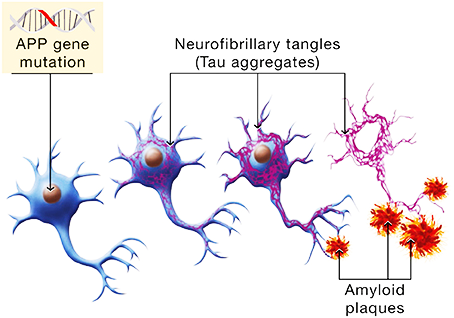
Aβ is a nonspecific response to neuronal injury.
About 30% of the patients with traumatic brain injury have deposition of Aβ in one or more regions of the brain, which is similar to the pathological findings of patients with AD. This may be an acute phase reaction after neuronal injury. Neuronal injury leads to increased expression of APP. This leads to the deposition of Aβ. APP plays an important role in maintaining the growth and survival of neurons, and its product Aβ can maintain the survival of neurons at low concentrations, promote the growth of cells, and resist the damage of oxygen free radicals to neurons. Multiple causes of craniocerebral injury, including craniocerebral surgery, neurochemical changes, and cerebral ischemia, can lead to increased expression of APP and deposition of Aβ. These results indicate that the above-mentioned reaction is a protective response to neuronal injury. After neuron injury caused by any reason, including AD, the high expression of APP is in order to maintain the stable state of the cells, at the same time, it also leads to a large number of Aβ production, Aβ deposition in the extracellular form of Aβ plaques. At present, immunotherapy against Aβ is mainly aimed at reducing the production of Aβ or clearing Aβ plaques, which weakens a protective effect on neurons and leads to aggravation of the disease.
Aβ is the result of AD
Aβ spot, tau hyperphosphorylation and synaptic damage are considered to be the main pathological features of AD. In contrast, tau hyperphosphorylation, and synaptic damage are more closely associated with AD. Tau is a microtubule-associated protein that regulates the transmission of substances from axons to synapses. Studies in AD transgenic mice or AD patients have shown that axonal swelling and amyloid plaque deposition are associated, while phosphorylated tau protein is always associated with amyloid plaque. According to the traditional Aβ waterfall theory, Aβ plaques induce tau hyperphosphorylation and synaptic damage leading to AD. However, it is also possible that neurotoxic substances induce hyperphosphorylation of tau protein and make it lose its function of regulating the normal transport of substances. Neurotrophic substances are unable to transmit to synapses, resulting in synaptic damage, and Aβ is also unable to transmit to synapses. In the transport dysfunction (that is, tau protein hyperphosphorylation) deposition, resulting in axonal swelling. Tau hyperphosphorylation and synaptic damage are the real causes of AD, and any factor that causes tau hyperphosphorylation and synaptic damage can lead to AD, that is to say, AD is a clinical symptom. There can be many causes, Aβ spot is only the result of axonal transmission disorder in patients with AD, can be used to diagnose AD, rather than a specific cause of AD. It also suggests that treatment targeting hyperphosphorylated tau proteins may improve symptoms in patients with AD.
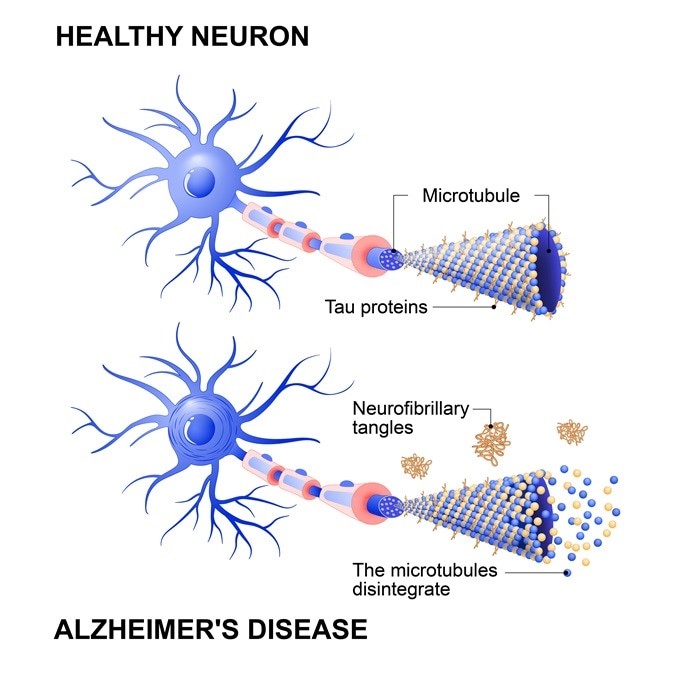
Summary and Prospect
At present, there is no final conclusion about whether Aβ is involved in the pathogenesis of AD. There is more and more evidence that Aβ is not involved in the core of AD. It is suggested that there is no correlation between Aβ plaques and Alzheimer’s disease and that the formation of Aβ plaques is a non-specific reaction of neuronal damage, and even that the deposition of Aβ plaques is the result of Alzheimer’s disease. The scholars who support that Aβ participates in the core link of AD are gradually revising its theory, and think that the change of Aβ state, distribution, and nature rather than the increase of the number of Aβ spots is the real cause of AD. With the increase in AD patients, more research is needed to explore the pathogenesis of AD, so that we can overcome this disease which is harmful to human health.
References
1. Alzheimer’s Association. (2018). 2018 Alzheimer’s disease facts and figures. Alzheimer’s & Dementia, 14(3), 367-429.
2. Cheignon, C., Tomas, M., Bonnefont-Rousselot, D., Faller, P., Hureau, C., & Collin, F. (2018). Oxidative stress and the amyloid beta peptide in Alzheimer’s disease. Redox Biology, 14, 450-464.
]]>The process of amyloid fibril formation is causatively linked to many diseases, including Alzheimer’s disease, Parkinson’s disease, Huntingon’s disease, and familial amyloidotic polyneuropathy and cardiomyopathy. Although the exact mechanism of toxicity and the identity of the toxic species remain unknown, there is strong genetic and pathologic evidence that the process of amyloidogenesis is closely linked to these maladies. The mechanisms by which proteins assemble into amyloid vary, as do the reasons why some people are more likely to develop amyloid diseases than others. Some of the proteins that form amyloid and putatively cause amyloid disease, such as Aβ, huntingtin, and α-synuclein, are thought to be intrinsically
disordered. These assemble into amyloid in a highly concentration dependent process to form a cross β-sheet amyloid aggregate. Other amyloidogenic proteins, such as transthyretin, β<sub>2</sub>-microglobulin, and the prion protein, exhibit well-defined native 3-dimensional structures and only form aggregates after partial unfolding or misfolding. Many amyloid diseases are familial, i.e. they are caused by mutations in genes encoding the protein that forms amyloid or a protein that is involved in the proteolytic processing of an amyloid precursor protein. For example, there are over one hundred point mutations in transthyretin that destabilize its native tetrameric fold, increasing the partially-folded monomer population and thus enhancing its amyloidogenicity, leading to familial amyloid polyneuropathy or cardiomyopathy. A point mutation at position 187 from an Asp to an Asn or Tyr in the protein gelsolin eliminates a Ca<sup>2+</sup> binding site, destabilizing that protein domain and making it susceptible to aberrant cleavage first by furin in the Golgi compartment and then by a membraneassociated type I matrix metalloprotease outside the cell, yielding 8 and 5 kDa fragments. These peptide fragments then aggregate into amyloid, enabled by glycosaminoglycans, resulting in familial amyloidosis of the Finnish type or gelsolin amyloid disease. Although specific mutations in some proteins can lead to earlyonset amyloidoses, e.g. the L55P mutation in transthyretin leads to familial amyloid polyneuropathy in the second decade, much more frequently wild-type proteins will aggregate and cause sporadic disease in the aged. It remains unclear why amyloid diseases tend to affect the elderly, although it is becoming more clear that signaling pathways that maintain the proteome and strongly influence aging either share common components or in some cases are one in the same. For example, the proteostasis network capacity, which is strongly influenced by the unfolded protein response and the heat shock response, strongly influences the etiology of these diseases. Additionally, how the formation of amyloid leads to the apparently unique phenotype of each disease is still not well understood; whether deposited amyloid fibrils or intermediates leading to that deposition cause disease and how those species exhibit toxicity to cells are current topics of investigation. Understanding what triggers the onset of sporadic amyloid diseases not associated with any known mutation and the factors that hasten disease progression is of great interest. Learning more about these factors should lead to knew treatment strategies for these diseases.
Reference:
Siegel, S. J. (2008). Structure and energetics of amyloid. The Scripps Research Institute.
]]>