- Peptide drugs for cancer immunotherapy
The treatment of cancer by controlling the function of immune cells is a research hotspot of peptide drugs. PD-L1 is typically overexpressed on many cancer cells and when it binds to PD-1 expressing on activated T cells, the cancer cells can escape from the immune response. Therefore, inhibition of PD-1/PD-L1 interaction could be a method of tumor immunotherapy. Studies have shown that hydrophilic D-type peptide (D-PPA) itself has no cytotoxicity. When blocking the PD-1/PD-L1 interaction, it can inhibit tumor growth in CT26 tumor-bearing mice and prolong their lifespan.
Macrophages are immune cells that play an important role in innate and acquired immunity. The CSF-1/CSF-1R pathway is related to the survival and differentiation of macrophages. In a recent study, a peptide called M2pep[Cys-YeqDPwGVKWWY] was modified to improve specificity against M2 TAMs. The experimental results confirmed that co-encapsulation with CSF-1R siRNA and M2pep could target M2 TAM to remodel into the M1 phenotype and increase anti-tumor immune response.
- Apoptosis-related peptide drugs
Certain peptides can induce apoptosis in cancer cells. For example, an anticancer peptide called RA-V (deoxybouvardin) can induce mitochondrial apoptosis in tumor cells, followed by loss of mitochondrial function. Another pentapeptide, Dolastatin 10, was able to induce apoptosis by up-regulating cytochrome C and Bax.
KLA (KLAKLAKLAK) is also one of the pro-apoptotic peptides, which induces programmed cell death by disrupting the mitochondrial membrane. Bioconjugates containing KLA peptides can be used in the development of various anticancer drugs. For example, KLA can bind to the tumor homing peptide IRGD(CRGDKGPDC) to improve the permeability of tumor tissues and cells. The potent anti-tumor effect of the recombinant KLA-IRGd conjugate as well as the high tumor selectivity and low systemic toxicity have been demonstrated in mouse models. These studies may lead to the development of novel targeted PDCS.
Another example of a KLA-based therapy is the penetratin (a cell-penetrating peptide)-KLA conjugate. To overcome the low cellular permeability of KLA peptides, penetratin was linked to KLA peptides via disulfide bonds, resulting in high cellular permeability and cytotoxicity, even at low concentrations. The penetratin-KLA conjugate has little effect on the mitochondria of normal cells, showing its therapeutic potential as a novel peptide conjugate.
- Peptides for tumor enrichment
There have also been some new studies describing various methods of targeting tumors with peptides. For example, it was reported that the S-S-bridged cyclic peptide (ALOS-4) is specific for the integrin AVβ3, which is highly expressed in human metastatic melanoma. In this study, ALOS-4 was coupled to the topoisomerase I inhibitor camptothecin. The results showed that the conjugate had potent anti-tumor activity in human metastatic melanoma cells, but low toxicity to normal cells. In addition, a researcher team conjugated the four-branched peptide NT4 to paclitaxel (PTX). NT4 peptides can selectively bind to tumor membrane glycosaminoglycans sulfate. It is highly selective for cancer cells when combined with paclitaxel, and this combination allows it to exhibit more potent anti-tumor activity than paclitaxel alone.
In another study, the tumor targeting of albumin-binding peptides was investigated. In vitro studies, the bioconjugation of DICLPRWGCLW to form a stable albumin complex can play a role in tumor targeting, and also showed high tumor targeting and significantly increased half-life in the SCC7 tumor-bearing mouse model. Based on the positive correlation between albumin uptake and tumor growth, albumin binding is expected to become a novel therapeutic strategy for targeting tumor tissues.
- Peptide drugs conjugated with small cytotoxic drugs
Under the concept of drug conjugates, the combination of peptides with cytotoxic drugs or other therapeutic agents can be used to develop peptide-based therapeutic agents.
Several studies have shown that cytotoxic drugs can bind to peptides with additional functions. For example, in anticancer therapy, platinum-based cisplatin chemotherapy is one of the most widely used cancer treatment strategies. However, because of cisplatin resistance, long-term use of cisplatin in patients reduces its efficacy. The use of peptides may be an important way to solve the problems related to drug resistance. When cisplatin is combined with peptides, the binding induces a high accumulation of cisplatin in tumors and metastasis-containing organs and significantly reduces the systemic toxicity of cisplatin.
Several peptide drug conjugations are currently under clinical investigation for the treatment of refractory tumors. On February 27, 2021, Melflufen, the first peptide-coupled drug, was approved by FDA for the treatment of multiple myeloma. Because melflufen is highly lipophilic, it is readily ingested by targeted cancer cells. Once internalized, melflufen molecules can be cleaved by aminopeptidase, which is highly expressed in multiple myeloma cells, and release alkylating agent toxic drugs that cause DNA damage and apoptosis in tumor cells. Now, many other forms of peptide-drug conjugates are also under active development as anticancer drugs.
Creative Peptides’ Perspectives
Due to the advantages of peptides, peptide drugs or peptide-drug conjugates have been extensively explored for new drug R&D. Previously, peptide drugs were seen as simply mimicking hormones or endogenous peptides in the body, but they are now being reborn to be designed into new therapies. However, as the limitations of peptide drugs have been solved, the powerful anti-tumor effect of peptide drugs has attracted the attention of researchers and the pipeline layout of more and more companies. Various therapeutic strategies that combine cytotoxic antitumor drugs with functional peptides come to a reality and are expected to be more effective than small-molecule drugs, antibodies, and ADCs.
References:
- Blocking of the PD-1/PD-L1 Interaction by ad-Peptide Antagonist for Cancer Immunotherapy.
- Tumor-penetrating peptide fused to a pro-apoptotic peptide facilitates effective gastric cancer therapy.
Related Products:
| Name | Description |
| Cell Penetrating Peptides | Most CPPs are relatively short peptides that consist of less than 40 amino acids and are able to enter cells through various ways. |
| Anti-Tumor Peptides | The potential use of peptides as anticancer drugs are highlighting current scenario and future prospects. |
| Dolastatin 10 | A pentapeptide originally isolated from the marine mollusk Dolabella auricularia with potential antineoplastic activity. |
| iRGD peptide | iRGD peptide is a 9-amino acid cyclic peptide, and has tumor-targeting and tumor-penetrating properties. |
| Penetratin | Penetratin is a cell-penetrating peptide (CPP), also known as a protein transduction domain (PTD). |
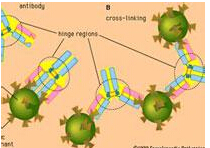 What are the so-called antigens? Actually, an antigen can be any structural substance that serves as a target for the receptors of an adaptive immune response, TCR or BCR or its secreted form antibody, in terms of immunology sense. Put it simply, it’s the substance that causes an immune system to produce antibodies against it, because each antibody should be selected specifically after binding to a certain antigen. While how about the tumor associated antigens? What are they? Generally, tumor associated antigens are special antigenic substances that produced in tumor cells, which means they can bring an immune response to the human body. Such antigens are extremely useful in identifying tumor cells with diagnostic tests, which obviously improve the level of diagnosis.
More specifically, on the other hand, tumor associated antigens can be potential for the use of cancer therapy. Now given the fact, an increasing number of researchers have begun to study cancer immunology, trying to make some achievements in cancer treatment because cancer-related deaths have been serious for a long time. People are dedicated to make great improvements in such field. Taking the clinical application as an example, it is necessary to evaluate the safety of subcutaneous injections of tumor associated antigens in patients with recurrent or refractory brain tumors, because some other substances might be mixed with the antigens. As is known, tumor associated antigens are used in the combination with peptide vaccines whose precise mode of action is still unknown.
However, further improvement of the current approaches for tumor studies is required which may be achieved by combining antibody-based strategies with antiangiogenic therapy together. Certainly, modern biotechnology is an indispensable element as well. Maybe cancer deaths could really be eventually eliminated in the future, with the help of modern tumor associated antigens.
]]> Researchers have indicated the advantage of this program is that one doesn’t need to use imaging to determine the internalization of the molecule. Finally, the researchers found eleven polypeptides that are most likely to bind NSCLC cells and other cancer cells together, whose affinity can be compared with a monoclonal antibody. Surprisingly, although the non-cancerous cells are not screened, these polypeptides can distinguish cancer and non-cancer cells very well. However, researchers do not know where these specificity of polypeptides come from. More efforts are required in the tumor research, in terms of peptide effects.
Actually, after verifying the specificity and affinity of these peptides, researchers begin to add a variety of chemical and biological molecules to the polypeptide. However, the behaviors of these polypeptides haven’t changed after they are attached with molecules. For example, some researchers attach copper-64 radionuclide to the polypeptide and conduct PET imaging inside the active objects. They have noted that this would be a valuable tool for the detection of metastatic sites because it’s often too difficult to detect the metastases by conventional methods. Currently, they are developing the best polypeptide drug to deliver the drugs and they have successfully delivered doxorubicin and paclitaxel into the tumor cells so far. But whether the antibody or the polypeptide, drugs should be released to reach the lysosomes, because only in this way can the drugs be activated.
More specifically, polypeptide is easy to be cleaned by kidney after entering the body. Thus, maintaining polypeptide’s ability in recognizing and binding tumor is extremely important. Research community is trying to make the achievement into clinical trials as soon as possible.
]]> It’s common to know tumor cells are easy to uptake of the polypeptide with biochemical small molecules. Scientists are taking advantage of such fact to develop some new cancer treatments. They have long been trying to understand and treat various cancers for better clinical applications. Although the survival rate of cancers is gradually improved, people have not found the so-called perfect treatment so far. Challenge that people have to face is to make cancer drugs reach the most necessary treatment area, and effectively come into the cells. Drugs in blood often merely reach part region of the tumor. This is because the higher the internal pressure of the tumor is, the easier the liquid tends to flow. Therefore, it might cause the drugs in blood difficult to spread inside. In addition, because the vast majority of cancer drugs are toxic, the dosage cannot be too much.
Kathlynn Kathlynn Brown and Michael McGuire have discovered a new polypeptide utilizing modern biotechnology, such as creative peptide, peptide synthesis, and so on. This unique polypeptide has attracted increasing attention in the medical community. Actually, such peptide can recognize cancer cells and wherein medicament the drugs to those targeted drugs, which possess some obvious advantages. Previously, people always tried to target the cancer cells through a monoclonal antibody, but modifying the antibody is very complex, as well as relatively high cost. In addition, hypersensitivity might appear because of the post-translational modifications. For this reason, only ten kinds of monoclonal antibodies have been approved by the FDA for cancer treatment so far.
In sum, based on the case, polypeptide has played an important role in tumor research so that the researchers begin to turn more attention to the functions of the polypeptide. Smaller than the antibody, with no toxicity and antigenicity, polypeptide can be easily modified and synthesized in a large scale. Maybe a new anti-tumor strategy will be developed with polypeptide.
]]>