How to improve efficacy while reducing side effects? Drug conjugation technology may be a solution. Through coupling technology, on the basis of cytotoxic molecules, they are coupled with tumor-targeting components to produce a complex of multiple molecules linked together to make cytotoxic molecular targeted therapeutic drugs, which can be effective to solve the above problems.
Targeted therapy that selectively binds and exerts effects through molecules expressed on the surface of cancer cells is a major advancement in cancer treatment, because compared with traditional cytotoxic drugs, targeted therapy has higher efficacy and better tolerability.
In cancer treatment, there are three targeted methods for enhancing the specificity and anti-tumor activity of cancer treatment. Targeting agents can be designed to inhibit proteins expressed by tumor cells, such as receptors or enzymes; another method is to combine effector molecules (such as ADCs, double antibodies or CAR-T) with molecules overexpressed on the surface of tumor cells and cooperate with them. Inhibit tumor cell division, while providing cytotoxic payload or stimulating tumor-oriented immune response; the third method is to use peptide-conjugated drugs (PDC) to drive the enrichment of tumor cell toxic payload.
Antibody-drug Conjugate (ADC)
Antibody-Drug Conjugates (ADCs) are a new class of highly potent biological drugs built by attaching a small molecule anticancer drug or another therapeutic agent to an antibody, with either a permanent or a labile linker.
The first-generation ADC is represented by Pfizer’s Mylotarg, which has the disadvantages of low antigen specificity, strong toxicity, unstable linker, and short half-life. The second-generation ADC is represented by Seattle’s Adcetris and Roche’s Kadcyla. Compared with the first-generation ADC, the second-generation ADC has the advantages of strong antigen specificity, higher drug efficacy, and lower immunogenicity. However, it still has strong toxicity, drug resistance, and high DAR (drug-to- antbody ratio, antibody drug loading rate) value and other issues. The third-generation ADC is site-specifically coupled and adopts a new target to have a homogeneous and single ADC. The cytotoxic molecules are more effective, with higher accuracy and lower toxicity.
Peptide-Drug Conjugate (PDC)
Many targeted drugs currently in clinical use are based on monoclonal antibodies. However, the therapeutic application of ADC is limited by its physicochemical and pharmacodynamic properties. PDC uses peptides as tumor targeting carriers with many advantages. Compared with ADCs, they are easy to synthesize, and structural modifications can be easily introduced, supporting reasonable drug design to improve bioavailability, affinity and stability. In addition, peptides have low immunogenicity.
There are three basic elements of PDC: peptide, cytotoxin and linker. The first is the choice of peptides. In recent years, with the rapid development of technologies such as proteomics, phage display, and peptide solid-phase synthesis, more and more new peptides have been discovered and rationally designed, which has greatly promoted the development of PDC. Peptide molecules used for PDC can generally be divided into cell penetrating peptides (CPPs) and cell targeting peptides (CTPs). The former can transport drugs across the cell membrane, and the latter can specifically interact with target cells. On the receptor binding. It has been reported in the literature that CPP-drug conjugates can enter cells through transport or receptor-mediated non-endocytic transport pathways that have nothing to do with energy.
Commonly used CPPs include trans-activator of transcription (TAT), transportan, penetratin and their derivatives or other peptides that have the ability to penetrate membranes. Commonly used CTPs include arginine-glycine-aspartate (RGD) constant series peptides, luteinizing hormone releasing hormone (LHRH)-like peptides, and new tumor-targeting peptides screened by phage display technology.
The second is the choice of cytotoxic drugs. The cytotoxic drugs used for PDC coupling are usually chemotherapeutic drugs, such as paclitaxel, DOX, CTP, etc., which exert anti-tumor effects by interfering or blocking the cell proliferation process. However, the classic and commonly used chemotherapeutic drugs tend to cause damage to normal cells and tissues due to their low selectivity and poor tumor targeting ability. The formation of PDC can improve the targeting of these drugs to tumor tissues and reduce their distribution in normal tissues, thereby reducing adverse reactions.
Then last is the choice of linker. The linker is an effective bridge connecting the peptide and the drug, and the linker will affect the function of the peptide or drug. Similar to ADC, PDC linkers are divided into non-breakable and breakable types. The ideal linker should have the characteristics of low molecular weight, appropriate length, appropriate stability and polarity.
Based on the above three elements, PDC has the following advantages:
In terms of technology, PDC is a new type of conjugated drug. Its design principle is partially similar to that of ADC. It is mainly used for drug delivery and tumor targeting. The difference is that the antibody component in ADC is used as a peptide that can be used as a targeting ligand. It is precisely because PDC replaces antibodies with peptides. Compared with ADC, PDC has a smaller molecular weight. Therefore, PDC drugs have better permeability of blood vessels, tissues and cells, and are easy to penetrate deep into the tumor, and do not cause an immunogenic reaction. In addition, PDC drugs can be quickly eliminated by the kidneys, and are less toxic to bone marrow and liver; on the other hand, unlike phages, adenoviruses or other microorganisms dedicated to transporting drugs, PDC drugs do not contain infectious substances.
In terms of technology, PDC targets tumor cells with a peptide chain of about 10 amino acids, and changes the conjugated hydrophobicity and ionization by controlling the amino acid sequence of the peptide chain, both of which affect the bioavailability in vitro and in vivo. Compared with the complex process of antibody production, PDC can be prepared on a large scale by solid-phase synthesis. The synthesis and purification, storage and quality control of PDC are relatively easy, and the stability in vivo and in vitro is better, which can effectively reduce large-scale production. the cost of.
FDA approved Peptide-Drug Conjugate
In January 2018, Lutathera developed by Advanced Accelerator Applications S.A, a subsidiary of Novartis, was approved by the FDA. Lutathera is the world’s first PDC drug. Lutathera (lutetium Lu 177 dotatate) is a peptide receptor radionuclide therapy (PRRT) indicated for the treatment of somatostatin receptor positive gastroenteropancreatic neuroendocrine tumours.
In February 2021, Oncopeptides announced that Pepaxto (melphalan flufenamide, also known as melflufen) has been approved by the FDA. Melflufen is an anti-cancer PDC drug targeting aminopeptidase for the treatment of multiple myeloma. It can couple an alkylating agent with a peptide targeting aminopeptidase. Aminopeptidase is present in all human cells and is overexpressed in many tumors, including multiple myeloma.
Small molecule-drug conjugates (SMDC)
Similar to the ADC structure, there are three key factors: small molecule targeting ligands, cytotoxic molecules and linkers. Its mechanism of action is also similar to that of ADC, but SMDC can disperse into tumor tissues more quickly and evenly, with low cost and no immunogenicity. At present, SMDC still has no marketed drugs. The main difficulty in its research and development is that small molecule ligands are difficult to obtain, which restricts its development.
Radionuclide Drug Conjugates (RDC)
Radionuclide drug conjugates (RDC) are mainly composed of targeting ligands, linkers, chelates and cytotoxic/imaging factors (radioisotopes). The biggest difference between RDC and ADC and SMDC is the drug load. RDC is no longer loaded with small molecules, but radionuclides. Using different medical nuclides, they can have different functions such as imaging or treatment, and some nuclides have both functions. Based on these functions, RDC will likely become a new technology for tumor diagnosis, imaging and treatment.
]]>
Generally, various cancer cells can generate matrix metalloproteinase that can break down the extracellular matrix components. Such enzyme can promote the spread of cancer cells, leading to death of the body. According to the report from San Diego’s official website, because of the decomposition characteristics of enzyme, the research team has invented a nano-sphere that can release drugs under the presence of matrix metalloproteinase.
The researchers loaded anti-cancer drugs into the nano-sphere and wrapped with a polypeptide such as Alarelin Acetate. Atoms of some drug molecules could be crucial for the effect of toxic drugs. And adding chemical substances that can connect with above atoms tightly within the nano-sphere can make the drugs maintain an inactive state before they reach the tumor through the circulatory system.
When the wrapped polypeptide-containing nano-spheres arrive the cancerous parts, matrix metalloproteinase can release the drug after the shell exploded polypeptide (Antide). Meanwhile, the released polypeptide can make drug molecules remain in the vicinity of the tumor.
Research team members said that they have made a nano-transport device which is able to deliver an effective dose of anti-cancer drugs to the tumor site in an accurate way.

Experimental study on mice found the use of this system can give patients high doses of drugs in a safe way, nearly more than 16 times of conventional therapy. And low doses of drugs to the tumor can stop growing for at least two weeks. However, the tumors in vivo could grow to be fatal if the mice were treated with saline.
This therapy based on a kind of specific drug delivery system is now applying for patent. Scientists said that they will expand the technology and methods to create the molecular transport system for the use of diagnosis and treatment of other diseases. In addition, they will also continue to improve the nano-wrapped ball housing.
]]>
As is known, cells can correspond to the overall toxicity of pressure and then might produce pressure, temperature, oxidation and endoplasmic reticulum nutritional deficiency. The overall pressure of cells could suppress the larger part of protein translation, most of which has been regulated by transcription factor ATF4. In fact, sustained protein toxic stress can lead to cell death.
On one hand, the ONC201 has been seen as an important element in modern scientific research, just like tripeptide-10 citrulline. It’s reported that a new drug is already in clinical trials. Actually, in hematological and solid cancers, cell pressure can be the cause for cell death. In terms of solid tumors, the expression of receptors and the ligand gene encoding could be increased to a certain degree, which might inhibit the growth of lymphoma and leukemia cells in promoting kinase complex mTORC1. Apoptosis induced by ONC201 does not demand the tumor suppressor and transcription factor activity of p53.
While on the other hand, HER2-positive and endoplasmic reticulum can also play a significant role in such study. One common way to adapt the cell ER stress is to increase the process known as the endoplasmic reticulum associated degradation. The process can transporter cells out of the endoplasmic reticulum and be degraded as a target of proteasome. Researchers found that growth receptor ( HER2-positive ) of breast cancer cells can increase the signaling pathway of ER stress, as well as the associated degradation in endoplasmic reticulum. Because HER2’s signaling promotes protein synthesis, when cells encounter severe toxic stres, associated degradation of endoplasmic reticulum might be blocked.
In fact, recent studies not only emphasize the importance of being able to kill cancer cells or prevent proliferation of the compound, but also let everyone know how the cells work to identify a particular treatment that cancer patients most likely to respond to. Using a molecular to understand examples associated with signaling pathway of cellular stress may affect the development of new treatments, as well as more effective combination therapies.
]]>
1. Maintain a healthy weight
A few simple tips can be helpful. If we were already overweight, then we should first concern about the fact that we can not increase the weight on the existing basis. This is to help the health. Try to lose extra weight bar. Tips:
– Make exercise and fitness a part of our life.
– Eat more fruits, vegetables and whole grains.
– Do not gobble, but to eat slowly.
2. Physical check
Many important screenings can help prevent cancer. Actually, some diseases can be found in the early detection of cancer and might be cured relatively easier when at an early stage, as well as preventing the development of cancer. Taking colorectal cancer as an example, routine screening could save more than 30,000 lives. Consulting health care professionals to know what we should do and when to do. Generally, regular tests include colon cancer and colorectal cancer, breast cancer, cervical cancer, and lung cancer.
3. Regular exercise
Although it is difficult for most of us to find the time, but at least 30 minutes of activity a day is necessary to help stay in shape. If we could spend more time, it could be better. Anyway, even if we merely do a little exercise it is much better than a no. Tips:
– Choose the favorite activities. Many things in everyday life can be considered as a form of exercise, including walking, gardening and dancing.
– Develop a daily exercise habit. Go to the gym at lunch time or take a walk after dinner.
– Do exercise with others (mutual supervision).
4. Healthy Diet
Despite the chaotic piles of information on healthy eating, the basic healthy diet is very simple. Focus on fruits, vegetables and whole grains. Eat less red meat as much as possible. Reduce the intake of unhealthy fats (saturated fatty acids and trans fatty acids) and choose to eat healthy fats (polyunsaturated and monounsaturated fats). Taking multivitamins and folic acid every day is essential. Tips:
– Each meal should contain fruits and vegetables.
– Choose chicken, fish or beans instead of red meat.
– Choose whole-grain cereals, brown rice and whole wheat bread.
– Choose olive oil or canola oil that is rich in healthy fats.
– Eat less fast foods and packaged snacks (like crackers).
To put it simply, in order to reduce cancer risk, we should try to change those lifestyles that are bad for our health such as junk food. Try to develop a healthy diet and enjoy the life better!
]]>
Paul Alewood, a professor of molecular biology from the University of Queensland, has said the study is the first to give a present evidence in a single cone snail’s venom or toxins. This involved cone snail is called conus episcopatus, living on the east coast of Australia; it is one of the 700 kinds of different cone snails. Venom in cone snails is mixed with many complex chemicals, and most of these toxins have been ignored in the past.
It is characterized by an intricate venom device, and the device is responsible for the biosynthesis and can provide a complex mixture of cysteine-rich peptide toxins. These toxins are folded into a small highly-structured framework, enabling them to potent and select heterologous ion channels and receptor interactions. Maybe peptide synthesis design platform can help. Specifically, new analysis methods containing precise measurement, varying compositions structures, activity and venom proteins can use biochemical and bioinformatics tools to develop the cone snail toxin peptide, with 3,305 new premises in toxin sequences.
In terms of the cone snail, inhibitor cystine knots with pharmacological activity and sequence characteristics can be helpful. More importantly, researchers also found that six original frameworks (three-dimensional shape of the molecule such as copper) can be used as prodrugs. In the past 25 years, a total amount of 25 well-known frameworks was found, many of which have been referred as to against the previous several diseases. Furthermore, researchers estimate that their new-found framework will also lead to new drug development for the treatment of pain, cancer and a wide range of other diseases.
Alewood said they expect to see a lot of interesting elements to be found in the venom of other species and they are keen to use new ways to explore these newly discovered myths. On the other hand, this method can also be used in other related fields, such as studying protein expression from the cell. All of this will help people understand biology better, looking for patterns of diseases or identifying potential new drugs.
]]> As is seen, cell-penetrating peptides are also called protein transduction domains or membrane transduction peptides, which are made up of less than thirty amino acids, with strong transport capacity. And, it is the special feature that allows cell-penetrating peptides to act as new drug delivery, without irritation and toxicity towards the host cells in a certain range of concentration. In addition, it is connected with mass chemical substances such as daptomycin. In recent years, scientists start to stress the structures and categories of cell-penetrating peptides, and they have divided the peptides into cationic and amphiphilic type. Specifically, the exocytosis introduced by cell-penetrating peptides has mass advantages. For example, it can help macromolecules having different molecular weights and natural properties come into cells. Furthermore, the toxicity is relatively lower while the applicable fields are larger.
As for the cationic cell-penetrating peptides, the amino acids residues are made up of nuclear acid and lysine. In their sequences, there are also some hydrophilic or hydrophobic amino acid residues, which can be helpful in establishing a more effective spatial conformation. Furthermore, studying the influence that amino acids placed on cell-penetrating capacity is beneficial to explain its special structure features and guide the design of new cell-penetrating molecules like saxenda. Scientists also indicated a fact that cationic ion’s position might affect those residues in stable cell-penetrating peptides. Therefore, it is necessary to adjust other sequences, enabling a higher penetrating capacity for produced cell-penetrating peptides.
Cell-penetrating peptides can transport many substances to a variety of mammalian cells, including small molecule nucleic acids, proteins, peptides, plasmid DNA, and so on. Although the research on cell-penetrating peptides has been a hot topic in recent years, and advanced research did make great achievements in promoting the development of modern new drugs, it’s still not easy to determine its accurate mechanism.
]]>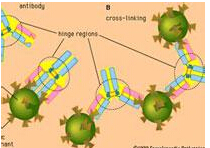 What are the so-called antigens? Actually, an antigen can be any structural substance that serves as a target for the receptors of an adaptive immune response, TCR or BCR or its secreted form antibody, in terms of immunology sense. Put it simply, it’s the substance that causes an immune system to produce antibodies against it, because each antibody should be selected specifically after binding to a certain antigen. While how about the tumor associated antigens? What are they? Generally, tumor associated antigens are special antigenic substances that produced in tumor cells, which means they can bring an immune response to the human body. Such antigens are extremely useful in identifying tumor cells with diagnostic tests, which obviously improve the level of diagnosis.
More specifically, on the other hand, tumor associated antigens can be potential for the use of cancer therapy. Now given the fact, an increasing number of researchers have begun to study cancer immunology, trying to make some achievements in cancer treatment because cancer-related deaths have been serious for a long time. People are dedicated to make great improvements in such field. Taking the clinical application as an example, it is necessary to evaluate the safety of subcutaneous injections of tumor associated antigens in patients with recurrent or refractory brain tumors, because some other substances might be mixed with the antigens. As is known, tumor associated antigens are used in the combination with peptide vaccines whose precise mode of action is still unknown.
However, further improvement of the current approaches for tumor studies is required which may be achieved by combining antibody-based strategies with antiangiogenic therapy together. Certainly, modern biotechnology is an indispensable element as well. Maybe cancer deaths could really be eventually eliminated in the future, with the help of modern tumor associated antigens.
]]> It’s common to know tumor cells are easy to uptake of the polypeptide with biochemical small molecules. Scientists are taking advantage of such fact to develop some new cancer treatments. They have long been trying to understand and treat various cancers for better clinical applications. Although the survival rate of cancers is gradually improved, people have not found the so-called perfect treatment so far. Challenge that people have to face is to make cancer drugs reach the most necessary treatment area, and effectively come into the cells. Drugs in blood often merely reach part region of the tumor. This is because the higher the internal pressure of the tumor is, the easier the liquid tends to flow. Therefore, it might cause the drugs in blood difficult to spread inside. In addition, because the vast majority of cancer drugs are toxic, the dosage cannot be too much.
Kathlynn Kathlynn Brown and Michael McGuire have discovered a new polypeptide utilizing modern biotechnology, such as creative peptide, peptide synthesis, and so on. This unique polypeptide has attracted increasing attention in the medical community. Actually, such peptide can recognize cancer cells and wherein medicament the drugs to those targeted drugs, which possess some obvious advantages. Previously, people always tried to target the cancer cells through a monoclonal antibody, but modifying the antibody is very complex, as well as relatively high cost. In addition, hypersensitivity might appear because of the post-translational modifications. For this reason, only ten kinds of monoclonal antibodies have been approved by the FDA for cancer treatment so far.
In sum, based on the case, polypeptide has played an important role in tumor research so that the researchers begin to turn more attention to the functions of the polypeptide. Smaller than the antibody, with no toxicity and antigenicity, polypeptide can be easily modified and synthesized in a large scale. Maybe a new anti-tumor strategy will be developed with polypeptide.
]]> It is common to know people generally believe that the number of cancer patients is still increasing, while the latest study has shown a converse fact. With the advance of modern technology, better drugs and lifestyles, maybe no one would die because of cancers by this mid-century. People hold different ideas about this unique issue for various reasons, such as the side effects and credibility. Clearly, there is no denying that there are massive cancer patients around the entire world. It is reported more than 14 million people are diagnosed with cancer each year, and approximately 8 million people lose their lives. While under the support of modern new technologies, less people will die of cancers.
In fact, the majority of people come from China because China’s aging population is more serious when compared with other developing countries. In addition, the proportion of population under the age of 80 gradually declines due to cancer deaths, especially in those rich countries. Taking the United Kingdom as an example, the number of population under the age of 80, in terms of cancer deaths, has declined by 40% compared with that of 1990. Furthermore, the report also indicates a fact that many cancer patients will be cured within the nest few decades with upgrading of the emergence of innovative medicines, radiological technology and surgical techniques.
To be more specific, except for the emergence of gene technology and specific drugs, the change of lifestyle should also be highlighted. More profound understanding towards cancer and environmental factors can help stress individual attention to their own health, encouraging people to report various types of cancer signal at an early stage, which is essential for successful cancer treatment. Actually, raising awareness of cancer is the most critical to winning the cancer war.
]]>