1. Peptide Vaccines
Peptide vaccines and nucleic acid vaccines are parts of the most valued focus in the field of vaccine research, especially for the viral peptide vaccine. Currently, AIDS and hepatitis C have been seen as two major harmful diseases to human beings, which have no ideal vaccine for the treatment.

However, in recent years, related research in DNA and peptide vaccine has made great efforts. In 1999, NIH announced two HIV-I virus peptide vaccines. And after clinical trial on human body, the results show the two peptide vaccines can stimulate the body to produce specific antibodies & specific cellular immunity and have better security. In fact, HIV-I polypeptide has been confirmed to own a strong immunogenic function in inner membrane proteins. HCV peptide vaccine has also shown potential prospects for further development. Many scholars try to screen the general peptide within the outer membrane protein E2 from the hepatitis C virus (HCV), which can stimulate the body to produce protective antibodies. Certainly, other viruses (such as hepatitis A, measles, Sindbis virus, etc.) have also made great progress. For example, a 12 amino acid peptide can be used to specifically bind to human body, functioning as a contraceptive vaccine.
2. Anti-tumor Polypeptide
Tumor effect is the result of a variety of reasons, but ultimately it relates to the regulation of certain expression in oncogenes. When different tumors require different enzymes and regulatory factors, selecting specific small peptides as the active site to prevent tumorigenesis could be necessary because the tumor is smaller than regulation factor.
For instance, in terms of rotigaptide, it is currently under clinical investigation for the treatment of cardiac arrhythmias – specifically atrial fibrillation. It has now been found that many tumors and tumor-related gene regulatory factors have become a new hot spot to find anti-cancer drugs through screening and targeting these specific binding peptides. Scholars have found a small peptide (6 amino acids) can help the body significantly inhibit the growth of cancer, including lung, stomach and colorectal cancer, which has opened up a new path for the treatment of tumors with high mortality rate.

3. Anti-viral Polypeptide
Virus infection generally goes through multiple stages, mainly from adsorption (host cells), penetration, uncoating, nucleic acid replication, transcription and translation to packaging. Preventing any of these processes can stop viral replication. The most effective antiviral drugs should possess a function in two stages: viral DNA replication and adsorption.
Therefore, screening viral drugs could focus on virus replication stage. Virus, by binding to specific receptors on the host cell adsorption cells, can rely on its own unique protease for protein and nucleic acid replication process. Given the fact, the peptide library may be screened with polypeptides binding to the host cell receptor or viral protease with active site. Such peptides have been widely used in anti-viral therapy.
More important, polypeptide diagnostic reagent can also been utilized for detecting virus, trypanosome parasites, microorganisms, cysticercosis, and the like. However, its clinical application is still in researching stage for now. Since amino acid chart are the significant aspect of peptides development, as biologically important organic compounds, they can perform critical roles in processes such as neurotransmitter transport and biosynthesis.
]]>Trying to discover more effective functions of bioactive peptides is a priority, as long as mastering the corresponding technologies, such as bio-extraction, artificial synthesis, microbial fermentation, genetic engineering, ghrh hormone, and so on. Scientists have focused on a wide range of fields in peptides research from many aspects, for example, development and production. In terms of food, additives, pharmaceutical research or diagnostic reagents, peptides could embrace a broader development prospect in the future.

The so-called peptides, whose molecular structure is between amino acids and proteins, are known as a class of compounds. Most people are familiar with insulin, which is actually a polypeptide. In fact, such peptide is made up of amino acids. Generally, there are hundreds of peptides in human body. Active peptide, also known as functional peptide and oligopeptid, mainly refers to the polypeptide containing 2-10 amino acids, with molecular weight under 2000D. It is a kind of active substance and functional factor that has important physiological functions.
Polypeptide is a kind of active peptide and its small molecule peptide content is above 88%. Biologically active peptide is a specific protein that has important physiological functions while protein generally doesn’t possess such feature. Polypeptide contains large amounts of functional factors that are beneficial to human health, so intaking polypeptide can improve people’s health level.
In recent years, research in peptides has made a rapid progress. Research shows peptide substances, in addition to a general effect of protein nutrition in bremelanotide, also plays an important and irreplaceable regulating role in human body, which involves almost all the body’s physiological activities, such as nerves, digestion, absorption, metabolism, circulation, growth, reproductive and endocrine.
Effects of Small Peptides on the Human Body:
Inhibit of cell degeneration and enhance human immunity
Activate cell activity and effectively remove harmful free radicals
Repair degeneration of human cells and improve cell metabolism
Promote and maintain normal cell metabolism
Specific Role of Peptides on the Human Body:
1. Provide a variety of amino acids that help the body to produce new tissue replacement necrotic tissue
2. Provide a new organizational structure for amino acids
3. Deliver oxygen and nutrients to the cells through the identification of blood
4. Regulate the body’s water and electrolyte balance
5. Generate antibodies against bacteria and infections under immune system and then improve its immune functions
6. Promote wound healing and wound blood coagulation
7. Produce enzymes to help convert food into energy
8. Repair cells, improve cell metabolism, prevent cell degeneration, and play an anti-cancer role
9. Promote regulatory proteins and enzymes
10. Improve communication of vital chemical messenger information between cells and organs
11. Eliminate cardiovascular and cerebrovascular diseases
12. Improve the endocrine and nervous system
13. Improve the digestive system and chronic intestinal diseases
14. Promote hematopoietic function and anemia, prevent platelet aggregation, and improve the oxygen-carrying capacity of red blood cells
15. Eliminate excess free radicals
16. Improve significant effects in rheumatism, arthritis, diabetes, and other diseases
To be more specific, with custom peptide synthesis, some nutritionists have noted that functional food is emphasizing its components on the human body, which can fully display the body’s defense function. Certainly, other functions like regulating circadian rhythms, disease prevention and the promotion of rehabilitation are also presented in industrialized food, too. As can be seen, peptide is a rare health food and its long-term use can be beneficial to enable improve people’s overall nutrition level.
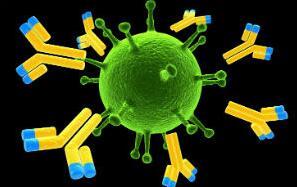
]]>
Multifunctional peptides, especially the GLP-1 agonists, have gained large-scale development in the metabolic realm. Cell-penetrating peptides technology has good targeting but such peptides have faced with the loss of bio-availability aspects. In fact, among those naturally existed polypeptides, some are representative agents with excellent therapeutic functions, such as Tumor Antigen-derived Peptides. In metabolic area like gut, microbes contain rich diversity of bacteria that can identify the protein fragments, degradation products, as well as new peptides produced by signaling molecules. With the deepening of microbiological studies, it will bring a wealth of opportunities for peptide therapeutics.
However, as for innovative peptide drug development, chemists must surpass conventional peptide technology. Among them, multifunctional peptides on behalf of a variety of pharmacological activities could be seen as an emerging technology in the field, such as double or even triple agonism. This method is based on genomic information needs. Obviously, in terms of knockout animals, only a single gene can be knocked out, which means there is no clear phenotype.
In addition, although the G protein coupled receptor (GPCR) has successfully identified several selective agonists and antagonists into clinical development, only a few of corresponding ligands can ultimately receive the drug approval. On one hand, drug development has provided effective biological systems and multi-target programs. While on the other hand, it provides opportunity for poly-pharmacological approaches aimed at patient population to complement more personalized treatment.
Specifically, current developing multifunctional peptides including antimicrobial peptide drug candidates always possess an additional biological function, such as immune-stimulating and wound healing. Multifunctional peptides have made advances in GLP-1 agonist field; several products have been approved for marketing and achieved great commercial success, including Byetta, Bydureon, Victoza, Lyxumia, Tanzeum, DOTA-cyclo(RGDfK) acetate, etc. In addition to multifunctional peptides, there is a focus on improving patient convenience and compliance, therefore, for the less frequent administration or oral GLP attempt, more efforts are in the conduct of clinical development.

In recent years, with the development of technology, the permeability of membrane element implant has emerged, including the cell-penetrating peptides. Taking penetrating or trans-activator of transcription (TAT) sequence as an example, it is necessary to make it realize arrival intracellular target. Such peptides are challenged by loss of potency for further functions. Another important aspect in the development of cell-penetrating peptides is that it must also consider whether the nature of the molecule is similar to those of small molecules, including low specificity, because the increase in the volume of distribution may lead to greater security risks.
It is worth mentioning that polypeptides can form conjugate together with small molecules, oligoribonucleotides and antibodies, as a new means to develop innovative peptide drugs with improved efficacy and safety role. For example, in the field of oncology, such a method has gained interest in the industry, more than 20 polypeptide conjugates in clinical trials.
The future development of polypeptide drugs will continue to rely on the advantages of native peptides, combing with traditional design concept to improve its weaknesses, such as the chemical and physical properties. In brief, new peptide technology, including multifunctional peptides, cell-penetrating peptides and peptide drug conjugates, will help expand the applicability of modern therapeutic peptides. Taking into account of all the factors above, it’s reasonable to believe a fact that peptides will have a vast prospect for medical needs, as an effective therapeutic treatment in the future.
]]>
Generally, various cancer cells can generate matrix metalloproteinase that can break down the extracellular matrix components. Such enzyme can promote the spread of cancer cells, leading to death of the body. According to the report from San Diego’s official website, because of the decomposition characteristics of enzyme, the research team has invented a nano-sphere that can release drugs under the presence of matrix metalloproteinase.
The researchers loaded anti-cancer drugs into the nano-sphere and wrapped with a polypeptide such as Alarelin Acetate. Atoms of some drug molecules could be crucial for the effect of toxic drugs. And adding chemical substances that can connect with above atoms tightly within the nano-sphere can make the drugs maintain an inactive state before they reach the tumor through the circulatory system.
When the wrapped polypeptide-containing nano-spheres arrive the cancerous parts, matrix metalloproteinase can release the drug after the shell exploded polypeptide (Antide). Meanwhile, the released polypeptide can make drug molecules remain in the vicinity of the tumor.
Research team members said that they have made a nano-transport device which is able to deliver an effective dose of anti-cancer drugs to the tumor site in an accurate way.

Experimental study on mice found the use of this system can give patients high doses of drugs in a safe way, nearly more than 16 times of conventional therapy. And low doses of drugs to the tumor can stop growing for at least two weeks. However, the tumors in vivo could grow to be fatal if the mice were treated with saline.
This therapy based on a kind of specific drug delivery system is now applying for patent. Scientists said that they will expand the technology and methods to create the molecular transport system for the use of diagnosis and treatment of other diseases. In addition, they will also continue to improve the nano-wrapped ball housing.
]]>Generally, peptide involves in a wide range of areas of human body, such as hormones, nerves, cell growth and reproduction; its importance lies in regulating the physiological functions in vivo and cell activation, enabling to improve in vivo related enzymes and then promote permeability of middle membrane. In fact, peptide can ultimately produce a particular physiological effect by controlling the transcription of DNA or specific protein synthesis. Many peptides are involved in a variety of cell functions in the human body because they can synthesize cells and regulate the functional activity of cells. But, except for DOTA-cyclo(RGDfK) Acetate and Aviptadil Acetate, how many kinds of peptides are there?

Cytokine Mimetic Peptide
Using known cytokine receptors from peptide library to screen cytokine mimetic peptide has become a debated research in recent years. In terms of some countries, they have screened a spectrum of analog peptides, such as human erythropoietin, human thrombopoietin, human growth hormone, human nerve growth factor and interleukin-1, etc. Amino acid sequences of these mimetic peptides and their corresponding cytokine could be different, but they are possessed with cytokine activity, as well as the advantage of small molecular weight. These cytokines mimetic peptides are in preclinical or clinical studies now.
When insects are stimulated by external environment, they can produce a large number of cationic peptides with antimicrobial activity. And nearly hundreds of such antimicrobial peptides have been screened yet; the in vivo experiment has confirmed the discovery that a plurality of antimicrobial peptides not only own a strong bactericidal ability but also can kill the tumor cells as well. For example, the antimicrobial peptide D screening from silkworm in vivo has demonstrated great prospects in improving genetic engineering techniques.
Peptide for Cardiovascular Disease
Many plants medicines always show importance in blood pressure, blood fat, thrombolytic effects, and so on. They cannot only be used as drugs but also the dietary supplements. However, due to the uncertainty of its ingredients functions, their application has been limited. It has been found many active ingredients are small peptides, such as the active polypeptide isolating from soybean processing, which can be directly absorbed by the small intestine, enabling to prevent blood clots, hypertension and high cholesterol, but also delay the aging and improve body strength tumor.
Other Pharmaceutical Small Peptide
Small peptide drugs have gained considerable progress in many fields. For instance, scientists have found that a synthetic peptide (TP508) can promote wound regeneration of blood vessels, accelerating the skin depth of the wound healing. Researchers also found a small peptide (RTR) can be used to inhibit the inflammatory response. In fact, the screened two synthetic peptides can be utilized for the inhibition of osteoclast’s resorption in bones.
To be specific, peptides have been used for various applications including medication, food, disease, etc. In addition to these peptides discussed above, there are also some other kinds, such as diagnostic peptides, which can be significant in the diagnostic reagent, as an antigen to detect viruses, cells, mycoplasma, spirochetes and other microorganisms. Success requires continuous discovery, so does the life science research!
]]>
When we see the package insert, just like to get the “identity card” of the drugs, so the first we should focus on is the name, including generic name, trade name and chemical name. Actually, this is easy to understand, people also have a formal name , nickname, pseudonym, etc. Then, it’s the picture of drugs—drug structural formula. The formula is extremely important because it can decide all intrinsic properties of the drug. If the structural formula is different then it just like the photo has been changed–“identity” is not the person.
Secondly, drugs also have ID number—[Approval No.], which is unique. It’s available on the website of Food and Drug Administration. We can make fake complaints on those drugs without approval number or the symbol does not match.
Then, generic name is necessary and all the drug manufacturers must use it. That is to say, drugs on the market with a same generic name can come from multiple manufacturers. For example, in terms of Azithromycin tablets, there are 96 manufacturers and 126 manufacturers for injectable Azithromycin tablets, but the trade name is different. During the life, we usually buy a prescription only under the trade name, which might be likely to cause repeated drug use. Thus, it’s necessary to require a careful comparison of the chemical name and formula of drugs. Drugs with the same chemical name and structure decide medicines have the same drug efficiency, pharmacological and toxicological effects.
Why do so many similar drugs have similar generic name? Antibacterial agents could be a good example, such as cephalosporins: cefazolin, cefuroxime, cefotaxime, ceftriaxone, cephalosporins cefepime and lorraine, buserelin acetate, etc. With careful comparison of structure, it’s clear that they have a substantially identical structure, differing only in branches. Therefore, it’s necessary to pay attention to the drugs with common ancestry and family, to avoid side effects and increased drug resistance. In brief, learning the “identity” of drugs can give us a lot of helpful reminders and alerts.
]]>
Clearly, it’s common that diabetes could occur because of the cells of the body not responding properly to the insulin produced. And in terms of the symptoms, frequent urination and increased hunger could be the main ones. Actually, the process might be sort of difficult, namely a troubled period. If treated in a proper way, the disease can be controlled to a certain degree; while if not so, then diabetes can cause a wide range of complications as well, such as diabetic ketoacidosis, cardiovascular disease, damage to the eyes, and so on. All of these complications should be payed more attention because only in this way can such disease be improved better.
On the other hand, several other signs or symptoms can mark the onset of diabetes, although they are not specific to the disease. Besides the mentioned classic symptoms, weight loss could also be one of them. It’s reported that diabetes could develop rapidly, especially in terms of the varying stage of disease, which might place the stress on the types of diabetes. Actually, as is seen, different types of diabetes could present various symptoms. Taking type 1 DM as an example, it could develop relatively slowly and may be subtle or absent in type 2 DM, enabling more serious results.
Based on the fact, the prevention and treatment then become necessary for patients with diabetes, as well as those not. So how about the prevention and treatment? Clearly, there is no so-called fast way, it should be conducted step by step. Developing a healthy diet, doing physical exercise, and avoiding use of tobacco should be a great help for the disease. In addition to that, controlling blood pressure is important for humans with the disease because it might do damage to the physical body, without enough awareness. Proper medications might also be helpful too.
To put it simply, diabetes is a common disease in public which is also the reason for demanding more concerns. In order to stay away from the disease, reducing daily pressures and developing a healthy diet could be of great significance.
]]>