Recently, FDA approved the dual immunotherapy treatment for hepatocellular carcinoma with Astrazeneca’s Imjudo (tremelimumab) combined with Imfinzi (durvalumab), marking the second time of this year for the authoritative approval of dual immunotherapy for the treatment of cancer. The first dual immunotherapy treatment for cancer came on March 18, when FDA approved Bristol-Myers Squibb’s OpdualagTM (nivolumab and relatlimab-rmbw) to treat unresectable or metastatic melanoma.
Antibody is undoubtedly the main force in the treatment of tumors by immunotherapy including double immunotherapy. However, antibody has the disadvantages of hig cost and poor oral applicability. Fortunately, peptide-based drugs with much smaller molecular weight than antibodies could overcome the limitations and play a significant role in immunotherapy against tumors.
Peptides have a small size, high affinity, and low immunogenicity, and are easy to modify. Some modified peptides showed excellent stability, such as the antibody proteins in the two dual immunomodulators above. Peptide molecules can act as immune checkpoint inhibitors in tumor immunotherapy. Instead of attacking tumor cells directly, immunotherapy drugs modulate the patient’s immune system and attack tumor cells by targeting immune checkpoints.
What is immune checkpoint?
When proteins on the surface of T cells recognize and bind to companion proteins on other cells, immune checkpoints work. The proteins on these T cells are called immune checkpoints. When the checkpoints bind to the cancer cell’s chaperone proteins, they will send an “off” signal to the T cell. Immune checkpoint molecules matter a lot in the immune escape of tumors and can be used to restore the anti-tumor function of immune cells by blocking the binding of immune checkpoints and ligands in the clinic, so as to achieve the purpose of tumor treatment.
Since immune checkpoints can prevent overactive immune responses and sometimes hinder T cells from killing cancer cells, when these checkpoints are blocked or inhibited, T cells are better able to kill cancer cells. This result can bring a very positive effect on tumor therapy. Therefore, immune checkpoints can act as targets for cancer immunotherapy because they have the potential to be used in the treatment of many types of cancer.
Examples of checkpoint inhibitors
Currently approved checkpoint inhibitors are used to block CTLA4, PD-1, and PD-L1.
- CTLA4 inhibitors
CTLA-4 or CTLA4 (Cytotoxic T lymphocyte antigen-4), also known as CD152, is a protein receptor that acts as an immune checkpoint and downregulates immune responses. CTLA-4 is expressed in regulatory T cells but only upregulated in conventional T cells after activation. This phenomenon is particularly evident in cancer.
mAb antibody inhibitors that target the immune checkpoint CLTA4 include ipilimumab for melanoma. Many active peptides also showed a good inhibitory effect on CTLA4. For example, yeast-displayed peptide ERY2-4 specifically bound to CTLA-4 with a KD of 196.8 ± 2.3 nM. Furthermore, ERY2-4 blocked the interaction between CTLA-4 and dendritic cells (DCs) presenting B7 on their surface. Importantly, ERY2-4 showed no cross-reactivity against CD28, suggesting it does not suppress T-cell activation. Since CTLA-4 is a critical immune checkpoint for restricting the cancer immune response, this inhibitory peptide represents a new class of drug candidates for immunotherapy.
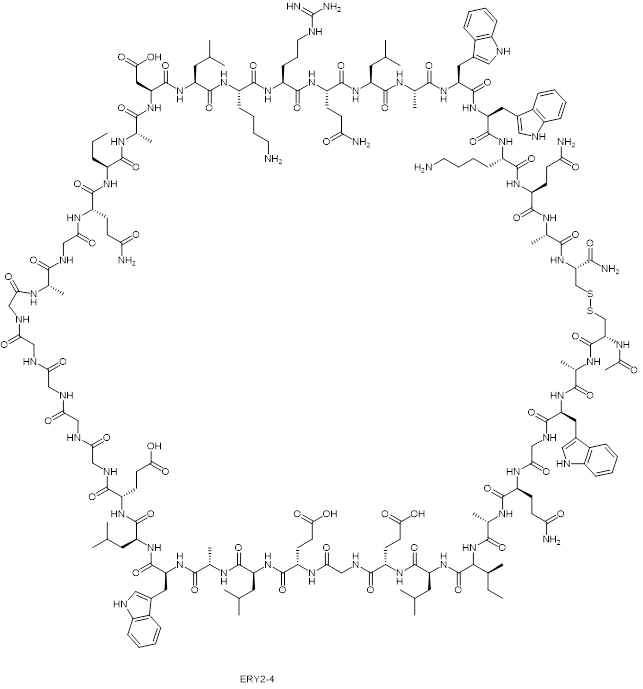
Fig1. The structure of yeast-displayed peptide ERY2-4
- PD-1
Although PD-1 and CTLA-4 belong to the CD-28 immune checkpoint receptor family, their roles in suppressing the immune response are mechanistically different. CTLA-4 regulates immune response mainly in lymph nodes in the early stage, while PD-1 regulates immunosuppression in peripheral tissues in the later stage. Nevertheless, clinically approved antibodies against both pathways produced long-lasting clinical responses, they both resulted in adverse consequences and anti-CTLA-4 antibodies showed a higher incidence and level of immune-related adverse reactions. The better clinical profile of PD-1/PD-L1 checkpoint inhibitors in terms of efficacy and safety has led to rapid drug development and approval in multiple indications. In this area, Bristol-Myers Squibb has patented their cyclic peptide, which has been shown to have nanomolar activity in inhibiting PD-1/PD-L1 interactions.
- BTLA-4
B and T lymphocyte attenuation factor (BTLA) is another co-inhibitory receptor in the CD-28 family. In a recent report, based on the natural protein HVEM (herpesvirus entry mediator), which binds to BTLA, researchers designed a disulfide bond bridging peptide using the HVEM (14-39) fragment. BTLA expressing 293T cells were used to demonstrate their cellular activity. HVEM (14 — 39) peptide is a BTLA/HVEM binding inhibitor that inhibits the formation of BTLA/HVEM complex in a dose-dependent manner. It deserves further development in the field of immunotherapy against tumors.
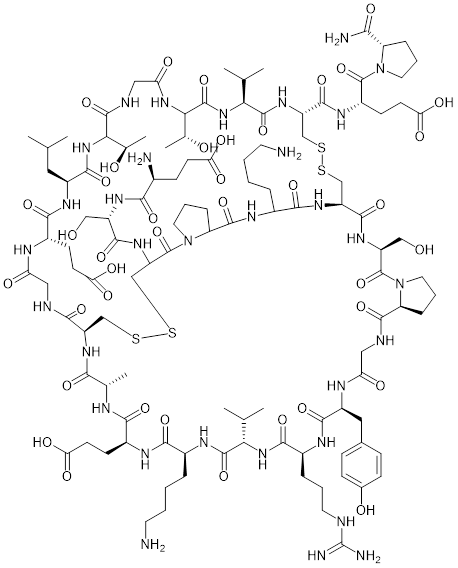
Fig2. The structure of HVEM (14-39) peptide
- VISTA
VISTA is an immune checkpoint in the B7 family that collaborates with the PD-1 protein to regulate T-cell responses. CTLA-4 and PD-1 inhibit immune function during T-cell initiation and effect, while VISTA inhibits immune response during the earliest stages of T-cell activation. To this end, the researchers designed VISTA peptide antagonists. This is a cyclic peptide containing a disulfide bond and multiple D-amino acid residues.
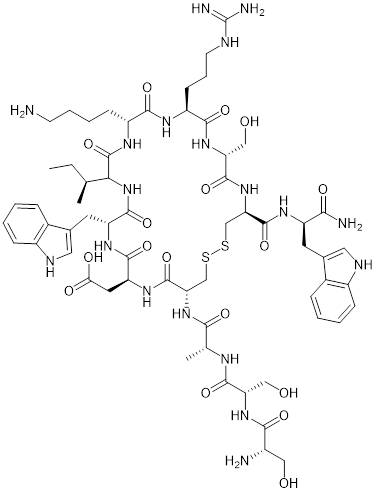
Fig3. VISTA peptide inhibitor
The peptide VISTA antagonist significantly enhanced T cell proliferation compared with anti-VISTA antibody or anti-PD-L1 antibody. In addition, the antitumor efficacy of this VISTA antagonist peptide was demonstrated in a model of immunogenic bladder cancer MB49. The founding suggests that the mechanism of action may be that peptides bind to key/active sites in VISTA, thereby blocking VISTA’s immunosuppressive function.
- LAG-3
LAG-3 is the third clinically targeted immune checkpoint receptor after CTLA-4 and PD-1. LAG-3 is co-expressed with other receptors, especially PD-1, and inhibits immune function in a variety of settings, making it an attractive target for combination with PD-1. The anti-LAG-3 and anti-PD-1 antibodies have been a success in the treatment of melanoma. Bristol Myers Squibb’s OpdualagTM, whose active ingredients nivolumab and relatliab-RMBW are antagonists of PD-1 and LAG-3, respectively, was approved by the FDA on March 18, 2022. OpdualagTM thus became the first immunotherapy targeting LAG-3 approved by the FDA.
In the study of peptide LAG-3 antagonists, researchers designed a disulfide cyclic peptide named C25, which has a KD value of mM and can effectively bind to LAG-3, thus efficiently interfere with the binding between LAG-3 and MHC-II (major histocompatibility complex protein II).
Conclusion
Immune checkpoint antagonists are currently dominated by antibodies, but low response rates and immune-related adverse consequences require the development of more effective and safer therapeutic modalities. Peptide drugs have potential advantages in selectivity, efficacy, and reduction of off-target toxicity. In the future, peptide immunotherapy may lead to the development of parallel antibody drugs, and perhaps peptide dual immunotherapy similar to OpdualagTM.
Related Products:
| Product | Description |
| Checkpoint Inhibitors | Checkpoint inhibitors are also described as a monoclonal antibody or targeted therapy. |
| Therapeutic Peptides | Therapeutic peptides are a unique class of pharmaceutical agents composed of a series of well-ordered amino acids. |
| Peptide Inhibitors | Peptide inhibitors have the advantages of high affinity and specificity, low production cost, etc., and have attracted the attention of researchers. |
Related Services:
| Service | Description |
| Pharmaceutical Peptides Services | The pharmaceutical peptides services of Creative Peptides can help you significantly shorten the development time of peptide drugs in the development of peptide drugs. |
References
- Tharanga, M. R. et al. An Immune-Stimulatory Helix–Loop–Helix Peptide: Selective Inhibition of CTLA-4–B7 Interaction. ACS Chem. Biol. 2020,15, 360–368.
- Callahan, M. K. At the bedside: CTLA-4- and PD-1-blocking antibodies in cancer immunotherapy. J Leukoc Biol, 2013, 94, 41-53.
- Liu, J. et al. Immune-checkpoint proteins VISTA and PD-1 nonredundantly regulate murine T-cell responses. Proc. Natl. Acad. Sci. U.S.A. 2015, 112, 6682-6687.
- Peptide drugs for cancer immunotherapy
The treatment of cancer by controlling the function of immune cells is a research hotspot of peptide drugs. PD-L1 is typically overexpressed on many cancer cells and when it binds to PD-1 expressing on activated T cells, the cancer cells can escape from the immune response. Therefore, inhibition of PD-1/PD-L1 interaction could be a method of tumor immunotherapy. Studies have shown that hydrophilic D-type peptide (D-PPA) itself has no cytotoxicity. When blocking the PD-1/PD-L1 interaction, it can inhibit tumor growth in CT26 tumor-bearing mice and prolong their lifespan.
Macrophages are immune cells that play an important role in innate and acquired immunity. The CSF-1/CSF-1R pathway is related to the survival and differentiation of macrophages. In a recent study, a peptide called M2pep[Cys-YeqDPwGVKWWY] was modified to improve specificity against M2 TAMs. The experimental results confirmed that co-encapsulation with CSF-1R siRNA and M2pep could target M2 TAM to remodel into the M1 phenotype and increase anti-tumor immune response.
- Apoptosis-related peptide drugs
Certain peptides can induce apoptosis in cancer cells. For example, an anticancer peptide called RA-V (deoxybouvardin) can induce mitochondrial apoptosis in tumor cells, followed by loss of mitochondrial function. Another pentapeptide, Dolastatin 10, was able to induce apoptosis by up-regulating cytochrome C and Bax.
KLA (KLAKLAKLAK) is also one of the pro-apoptotic peptides, which induces programmed cell death by disrupting the mitochondrial membrane. Bioconjugates containing KLA peptides can be used in the development of various anticancer drugs. For example, KLA can bind to the tumor homing peptide IRGD(CRGDKGPDC) to improve the permeability of tumor tissues and cells. The potent anti-tumor effect of the recombinant KLA-IRGd conjugate as well as the high tumor selectivity and low systemic toxicity have been demonstrated in mouse models. These studies may lead to the development of novel targeted PDCS.
Another example of a KLA-based therapy is the penetratin (a cell-penetrating peptide)-KLA conjugate. To overcome the low cellular permeability of KLA peptides, penetratin was linked to KLA peptides via disulfide bonds, resulting in high cellular permeability and cytotoxicity, even at low concentrations. The penetratin-KLA conjugate has little effect on the mitochondria of normal cells, showing its therapeutic potential as a novel peptide conjugate.
- Peptides for tumor enrichment
There have also been some new studies describing various methods of targeting tumors with peptides. For example, it was reported that the S-S-bridged cyclic peptide (ALOS-4) is specific for the integrin AVβ3, which is highly expressed in human metastatic melanoma. In this study, ALOS-4 was coupled to the topoisomerase I inhibitor camptothecin. The results showed that the conjugate had potent anti-tumor activity in human metastatic melanoma cells, but low toxicity to normal cells. In addition, a researcher team conjugated the four-branched peptide NT4 to paclitaxel (PTX). NT4 peptides can selectively bind to tumor membrane glycosaminoglycans sulfate. It is highly selective for cancer cells when combined with paclitaxel, and this combination allows it to exhibit more potent anti-tumor activity than paclitaxel alone.
In another study, the tumor targeting of albumin-binding peptides was investigated. In vitro studies, the bioconjugation of DICLPRWGCLW to form a stable albumin complex can play a role in tumor targeting, and also showed high tumor targeting and significantly increased half-life in the SCC7 tumor-bearing mouse model. Based on the positive correlation between albumin uptake and tumor growth, albumin binding is expected to become a novel therapeutic strategy for targeting tumor tissues.
- Peptide drugs conjugated with small cytotoxic drugs
Under the concept of drug conjugates, the combination of peptides with cytotoxic drugs or other therapeutic agents can be used to develop peptide-based therapeutic agents.
Several studies have shown that cytotoxic drugs can bind to peptides with additional functions. For example, in anticancer therapy, platinum-based cisplatin chemotherapy is one of the most widely used cancer treatment strategies. However, because of cisplatin resistance, long-term use of cisplatin in patients reduces its efficacy. The use of peptides may be an important way to solve the problems related to drug resistance. When cisplatin is combined with peptides, the binding induces a high accumulation of cisplatin in tumors and metastasis-containing organs and significantly reduces the systemic toxicity of cisplatin.
Several peptide drug conjugations are currently under clinical investigation for the treatment of refractory tumors. On February 27, 2021, Melflufen, the first peptide-coupled drug, was approved by FDA for the treatment of multiple myeloma. Because melflufen is highly lipophilic, it is readily ingested by targeted cancer cells. Once internalized, melflufen molecules can be cleaved by aminopeptidase, which is highly expressed in multiple myeloma cells, and release alkylating agent toxic drugs that cause DNA damage and apoptosis in tumor cells. Now, many other forms of peptide-drug conjugates are also under active development as anticancer drugs.
Creative Peptides’ Perspectives
Due to the advantages of peptides, peptide drugs or peptide-drug conjugates have been extensively explored for new drug R&D. Previously, peptide drugs were seen as simply mimicking hormones or endogenous peptides in the body, but they are now being reborn to be designed into new therapies. However, as the limitations of peptide drugs have been solved, the powerful anti-tumor effect of peptide drugs has attracted the attention of researchers and the pipeline layout of more and more companies. Various therapeutic strategies that combine cytotoxic antitumor drugs with functional peptides come to a reality and are expected to be more effective than small-molecule drugs, antibodies, and ADCs.
References:
- Blocking of the PD-1/PD-L1 Interaction by ad-Peptide Antagonist for Cancer Immunotherapy.
- Tumor-penetrating peptide fused to a pro-apoptotic peptide facilitates effective gastric cancer therapy.
Related Products:
| Name | Description |
| Cell Penetrating Peptides | Most CPPs are relatively short peptides that consist of less than 40 amino acids and are able to enter cells through various ways. |
| Anti-Tumor Peptides | The potential use of peptides as anticancer drugs are highlighting current scenario and future prospects. |
| Dolastatin 10 | A pentapeptide originally isolated from the marine mollusk Dolabella auricularia with potential antineoplastic activity. |
| iRGD peptide | iRGD peptide is a 9-amino acid cyclic peptide, and has tumor-targeting and tumor-penetrating properties. |
| Penetratin | Penetratin is a cell-penetrating peptide (CPP), also known as a protein transduction domain (PTD). |
At present, two kinds of conjugates are widely used in PDC, showing good prospects as drug delivery systems: bicyclic peptide toxin conjugate (BTC) and peptide-dendrimer conjugate respectively. The length of the bicyclic peptide is usually between 9-20 amino acids, and there are 3 cysteine residues in the sequence; these cysteine residues react with the linker to make the position of the peptide relatively fixed. Bicyclic peptide molecules combine the characteristics of antibodies, small molecule drugs and peptides, and have similar affinity with antibodies and precise targeting specificity; at the same time, due to their small molecular weight, they can penetrate tissues quickly and deeply, so as to target the lesion from the inside of the tissue; the nature of its peptides provides “adjustable” pharmacokinetic half-life and renal clearance pathways, thereby avoiding the common liver and gastrointestinal toxicities in other drug forms. Attaching the drug to the bicyclic peptide molecule ensures that its conformation is not hindered.

The structure of the bicyclic peptide toxin conjugate developed by Bicycle
Currently Bicycle Therapeutics is developing a number of BTC products, of which BT1718, BT5528 and BT8009 are in clinical trials. The research product BT1718 is in the phase 1/2a clinical stage, and targets type 1 membrane matrix metalloproteinase (MMP-14), which is overexpressed in a variety of tumors (such as ovarian cancer, lung cancer, breast cancer, bladder cancer, etc.) . BT1718 is coupled to MD1 cytotoxin by a specific bicyclic peptide molecule through a cleavable disulfide bond. In phase 1 clinical trials, BT1718 demonstrated good safety, tolerability and efficacy.
The research product BT5528 targets Ephrin Type A receptor 2 (EphA2) and is in phase 1/2 clinical trials. EphA2 is overexpressed in a variety of tumors and is a member of the tyrosine kinase family. This receptor family plays an important role in many physiological processes, including cell migration, adhesion, proliferation and differentiation. BT5528 is connected to the MMAE payload by a bicyclic peptide molecule through an enzymatically cleavable Val-Cit linker. Another product under development, BT8009, targets Nectin-4, which is similar in structure to BT5528, is also connected to the MMAE payload through a Val-Cit cleavable linker.

Bicycle’s research pipeline (picture source: Bicycle’s official website)
Dendrimers are characterized by their highly branched structure, consisting of multiple layers, including a core, multiple intermediate layers, and outer shells. Different from linear peptides and polymers, dendrimers exhibit unique characteristics in terms of thermal properties, viscosity, and encapsulation. Peptide dendrimers can be divided into two categories: covalent peptide dendrimers and non-covalent peptide dendrimers. The payload is attached to the dendrimer through electrostatic or hydrophobic hydrogen bonds. Because of its adjustable amino acid characteristics and good biocompatibility, the use of peptide dendrimers is considered to have great potential. In one study, researchers used peptide dendrimers macromolecular drug conjugates to selectively deliver doxorubicin (DOX) to cancer sites, which can significantly reduce tumor size in a mouse model. In another study, researchers demonstrated that peptide dendrimers had the potential to treat colorectal cancer by controlling the drug delivery of gemcitabine (GEM).

The structure of the peptide-dendrimer conjugate for doxorubicin delivery
Melflufen, which has just been approved by Oncopeptides, is prepared by coupling an alkylating agent with a peptide targeting aminopeptidase. Melflufen can be quickly taken up by MM cells due to its lipophilicity. In the cells, it will be rapidly hydrolyzed by peptidase, thereby releasing the hydrophilic alkylating agent. Aminopeptidase is overexpressed in tumor cells, especially in advanced cancers or tumors with high mutation load. Because melflufen can increase the concentration of alkylating agent in cells, its killing effect on MM cells is better.
We hope that with the progress of technology, more PDC drugs will be available as soon as possible to benefit more patients.
]]>
Figure 1 Scanning electron micrograph of a human T cell
In the current mainstream model, T cells identify potential threats through surface “T cell receptors” (TCR). For example, when viruses and bacteria infect the human body, specific proteins on their surfaces are loaded into a structure called the major histocompatibility complex (MHC) for T cells to recognize. In the past, we know a lot about αβ T cell receptors. It is believed that T cell receptors will bind to MHC or MHC-like molecules in a head-to-head manner, thereby recognizing specific signals from pathogens. In this study, the scientists focused on γδ T cell receptors, a relative of these receptors.
In this new study, the researchers describe a cell population in a class of little-known T cells called γδT cells that recognizes an MHC-like molecule called MR1. Using high-intensity X-ray beams on a synchrotron in Australia, they obtained detailed three-dimensional images of the interaction between γδT cell receptors and MR1, and got interesting results: γδT cell receptors bind under MHC-like molecules for recognition. Dr. Jérôme Le Nours, one of the co-first authors of the study, made a very vivid metaphor: “Imagine that (MHC molecule) is like a flag standing on a cell. We always think the t-cells are sitting on top of the flagpole, reading the message. But what we found is that some t-cells bind to the bottom first.”
These are important details that can change our approach to studying T cell biology in the future. This is important because T cells are a key weapon of our immune system, and understanding how T cells target and act on other cells is critical to using their power to develop immunotherapies that treat diseases such as infections and cancer. Researchers believe that this unusual recognition system is expected to help us understand how TCR binds to target molecules. Given that T cells are an important weapon in the body’s fight against disease, these insights are expected to lead to more effective therapies. Because γδ T cells also play a role in fighting cancer, the existing anti-cancer immunotherapy has the opportunity to be further enhanced.
Dr Nicholas Gherardin, co-first author of the paper and the Doherty Institute at the University of Melbourne, said: “Our research indicates that MR1 is a novel molecular target for γδT cells. These cells play a decisive role in the immune response against infection and cancer, but little is known about how they respond. MR1 may signal γδT cells to indicate the presence of viruses or cancer cells and trigger these cells to trigger a protective immune response. ” Researchers will dig deeper into this mechanism and strive to apply it to the treatment of diseases.
References
- Jérôme Le Nours et al. A class of γδ T cell receptors recognize the underside of the antigen-presenting molecule MR1. Science, 2019, doi:10.1126/science.aav3900.
Function of Sulforaphane
Sulforaphane plays a role in preventing cancer by activating transcription factor Nrf2, enhancing the body’s antioxidant capacity, and detoxifying chemicals. It can cause apoptosis and cell arrest of cancer cells, induce phase Ⅱ detoxifying enzymes in human body, inhibit the production of type Ⅰ enzymes, and eventually efflux harmful components such as carcinogens and free radicals through a variety of enzyme systems, at the same time, this component is a new anti-cancer component which does not remain in the human body and has no side effects on the body. Other studies have shown that sulforaphane may inhibit the growth of cancer stem cells. In conclusion, sulforaphane can induce apoptosis and static effect of cancer cells by regulating the early stage of cell carcinogenesis, and inhibit angiogenesis of cancer cells. It is effective to prevent and treat cancer by preventing the deterioration of cancer cells and inhibiting the metastasis and spread of cancer cells.
Relationship between thiosulfonate and disease
- Sulforaphane in Diabetes: cauliflower Bud is expected to treat Obesity.

In a new study from Kanazawa University in Japan, the researchers compared the weight of mice who ate high-fat foods supplemented with sulforaphane and those who ate high-fat foods that did not contain sulforaphane. The study found that sulforaphane are expected to reduce inflammation in the liver or adipose tissue and reduce insulin resistance, as well as prevent lifestyle diseases. After assessing the effects of sulforaphane on obesity, reducing inflammation and insulin resistance, and its safety through future clinical studies, it may be recommended as an additional food product for improving bacterial flora in the gut.
- PNAS: cauliflower extract sulforaphane soothes core symptoms of autism

A clinical trial, published in October 2014, appeared in television news media in the United States, where broccoli extracts sulforaphane, a substance that soothes the core symptoms of autism. The results of this clinical trial showed that 46% of participants taking broccoli extract showed significant improvements in social skills, and 42% of participants taking broccoli extract showed a significant improvement in language communication, while 54% of those taking broccoli extract showed a significant reduction in behavioral biases.
- Science sub-issue: sulforaphane is expected to be used in the treatment of chronic obstructive pulmonary disease

According to a study published in Science Translational Medicine on April 13, 2011, Researchers at the Bloomberg School of Public Health at Johns Hopkins University have developed a treatment based on nonsteroidal sulforaphane. It is used to enhance the innate immune defense of the lungs and reduce inflammation in order to treat possible problems in patients with chronic obstructive pulmonary disease (COPD).
- Sulforaphane becomes a panacea for arthritis.

In July 2014, researchers found that sulforaphane inhibits a key molecule that causes inflammation and blocks enzymes that cause joint damage. Experiments show that feeding mice with sulforaphane-rich foods can effectively reduce cartilage damage in mice, which are significantly less likely to develop osteoarthritis than those who do not. In addition, sulforaphane may play a role in the initiation of carcinogens, mutating genes in the early stages of cancer formation, and some inhibitory enzymes that double-block or suppress cancer and degrade toxic substances. As a result, it has an anti-cancer effect. At the same time, sulforaphane can also inhibit the production of Phase Ⅱ enzyme, such as reducing the level of P450 enzyme or inhibiting its catalytic activity, thus affecting the formation of active carcinogenic end products. By destroying the active centers of carcinogens or combining them with endogenous ligands, they can be quickly expelled from the body to play an anti-cancer role.
References
1.Park, S. U. (2012). Anticancer compounds from plants. EXCLI journal, 11, 386.
2. Langner, E., Lemieszek, M. K., & Rzeski, W. (2019). Lycopene, sulforaphane, quercetin, and curcumin applied together show improved antiproliferative potential in colon cancer cells in vitro. Journal of Food Biochemistry, e12802.
]]>
1. Peptide Vaccines
Peptide vaccines and nucleic acid vaccines are parts of the most valued focus in the field of vaccine research, especially for the viral peptide vaccine. Currently, AIDS and hepatitis C have been seen as two major harmful diseases to human beings, which have no ideal vaccine for the treatment.

However, in recent years, related research in DNA and peptide vaccine has made great efforts. In 1999, NIH announced two HIV-I virus peptide vaccines. And after clinical trial on human body, the results show the two peptide vaccines can stimulate the body to produce specific antibodies & specific cellular immunity and have better security. In fact, HIV-I polypeptide has been confirmed to own a strong immunogenic function in inner membrane proteins. HCV peptide vaccine has also shown potential prospects for further development. Many scholars try to screen the general peptide within the outer membrane protein E2 from the hepatitis C virus (HCV), which can stimulate the body to produce protective antibodies. Certainly, other viruses (such as hepatitis A, measles, Sindbis virus, etc.) have also made great progress. For example, a 12 amino acid peptide can be used to specifically bind to human body, functioning as a contraceptive vaccine.
2. Anti-tumor Polypeptide
Tumor effect is the result of a variety of reasons, but ultimately it relates to the regulation of certain expression in oncogenes. When different tumors require different enzymes and regulatory factors, selecting specific small peptides as the active site to prevent tumorigenesis could be necessary because the tumor is smaller than regulation factor.
For instance, in terms of rotigaptide, it is currently under clinical investigation for the treatment of cardiac arrhythmias – specifically atrial fibrillation. It has now been found that many tumors and tumor-related gene regulatory factors have become a new hot spot to find anti-cancer drugs through screening and targeting these specific binding peptides. Scholars have found a small peptide (6 amino acids) can help the body significantly inhibit the growth of cancer, including lung, stomach and colorectal cancer, which has opened up a new path for the treatment of tumors with high mortality rate.

3. Anti-viral Polypeptide
Virus infection generally goes through multiple stages, mainly from adsorption (host cells), penetration, uncoating, nucleic acid replication, transcription and translation to packaging. Preventing any of these processes can stop viral replication. The most effective antiviral drugs should possess a function in two stages: viral DNA replication and adsorption.
Therefore, screening viral drugs could focus on virus replication stage. Virus, by binding to specific receptors on the host cell adsorption cells, can rely on its own unique protease for protein and nucleic acid replication process. Given the fact, the peptide library may be screened with polypeptides binding to the host cell receptor or viral protease with active site. Such peptides have been widely used in anti-viral therapy.
More important, polypeptide diagnostic reagent can also been utilized for detecting virus, trypanosome parasites, microorganisms, cysticercosis, and the like. However, its clinical application is still in researching stage for now. Since amino acid chart are the significant aspect of peptides development, as biologically important organic compounds, they can perform critical roles in processes such as neurotransmitter transport and biosynthesis.
]]>
Paul Alewood, a professor of molecular biology from the University of Queensland, has said the study is the first to give a present evidence in a single cone snail’s venom or toxins. This involved cone snail is called conus episcopatus, living on the east coast of Australia; it is one of the 700 kinds of different cone snails. Venom in cone snails is mixed with many complex chemicals, and most of these toxins have been ignored in the past.
It is characterized by an intricate venom device, and the device is responsible for the biosynthesis and can provide a complex mixture of cysteine-rich peptide toxins. These toxins are folded into a small highly-structured framework, enabling them to potent and select heterologous ion channels and receptor interactions. Maybe peptide synthesis design platform can help. Specifically, new analysis methods containing precise measurement, varying compositions structures, activity and venom proteins can use biochemical and bioinformatics tools to develop the cone snail toxin peptide, with 3,305 new premises in toxin sequences.
In terms of the cone snail, inhibitor cystine knots with pharmacological activity and sequence characteristics can be helpful. More importantly, researchers also found that six original frameworks (three-dimensional shape of the molecule such as copper) can be used as prodrugs. In the past 25 years, a total amount of 25 well-known frameworks was found, many of which have been referred as to against the previous several diseases. Furthermore, researchers estimate that their new-found framework will also lead to new drug development for the treatment of pain, cancer and a wide range of other diseases.
Alewood said they expect to see a lot of interesting elements to be found in the venom of other species and they are keen to use new ways to explore these newly discovered myths. On the other hand, this method can also be used in other related fields, such as studying protein expression from the cell. All of this will help people understand biology better, looking for patterns of diseases or identifying potential new drugs.
]]>