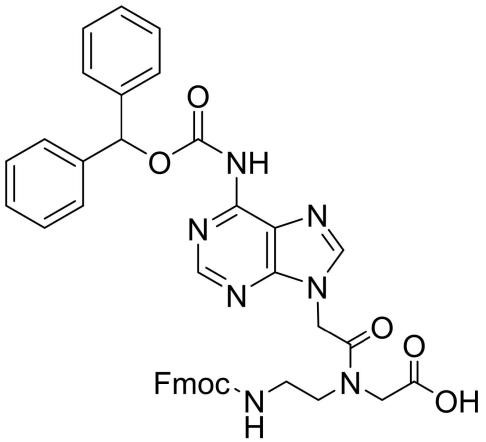
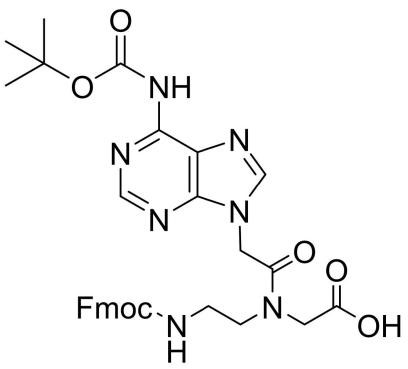
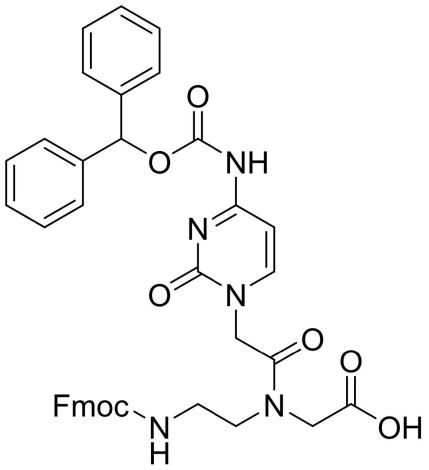
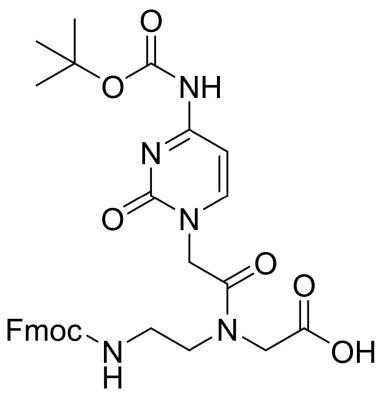
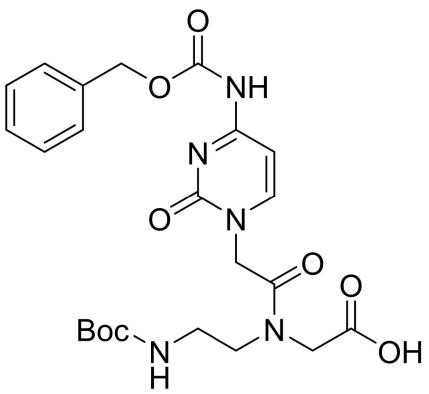
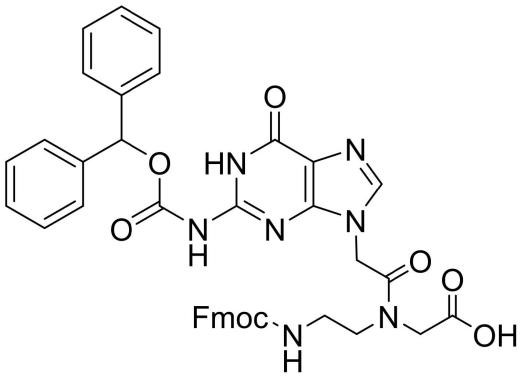
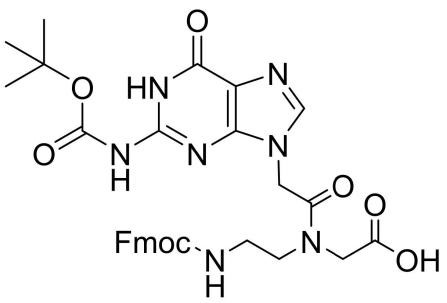
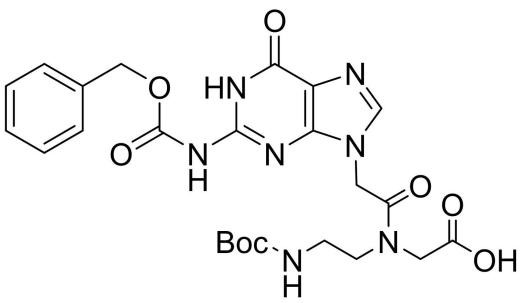
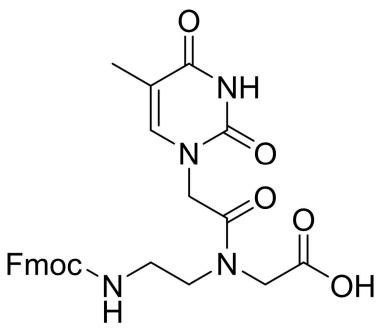
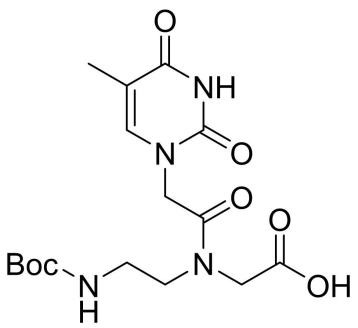
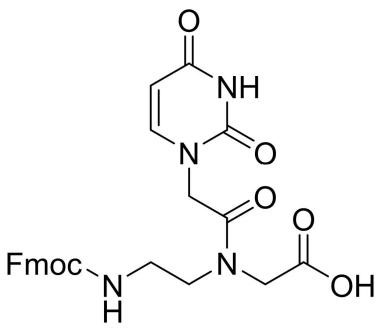
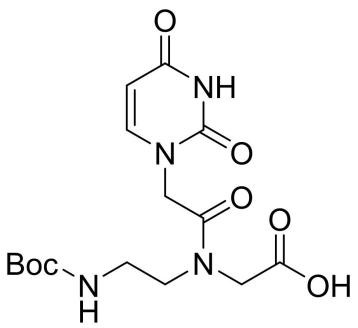
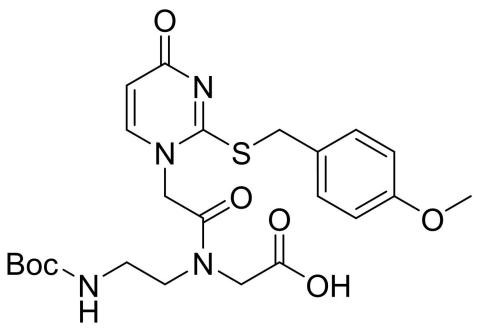
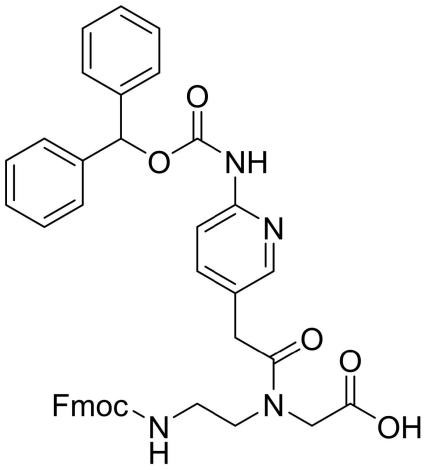
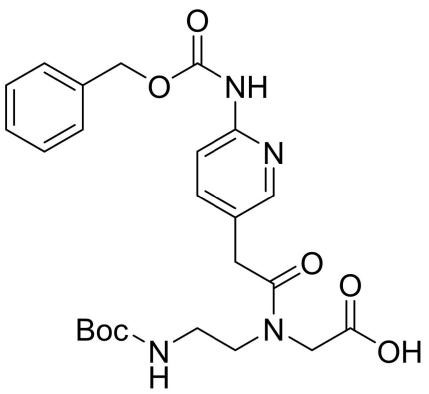
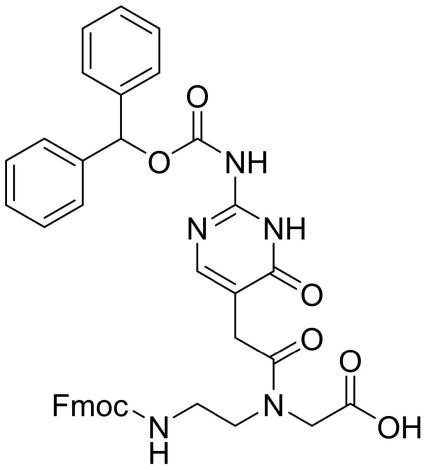
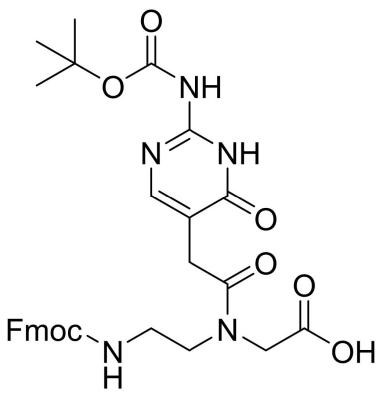
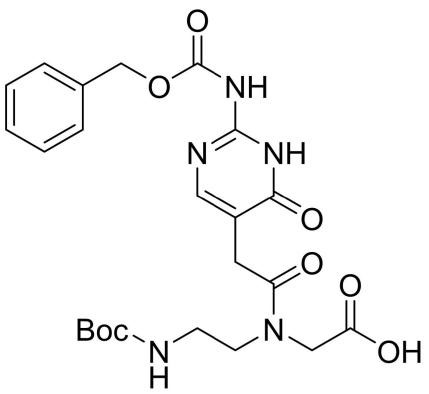
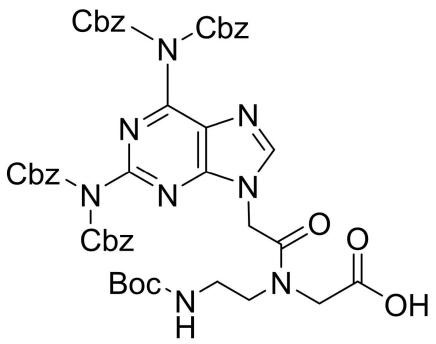
The nucleobase oligomer known as peptide nucleic acid (PNA) has had its complete backbone replaced with units of N-(2-aminoethyl) glycine. So, instead of a negatively charged sugar-phosphate backbone, PNA has a neutral peptide backbone, making it similar to DNA. Although it is difficult to move into the cell, its chemical stability and resistance to hydrolytic (enzymatic) cleavage mean that it will not be degraded while inside a live cell. Using the Watson-Crick hydrogen bonding strategy, PNA can recognize particular DNA and RNA sequences. The hybrid complexes show remarkable temperature stability and unusual ionic strength effects. A stable PNA/DNA/PNA triplex with a looped-out DNA strand may also be formed when it attaches to duplex homopurine regions of DNA by strand invasion. PNA has a lot of uses in medicine and diagnostics since it is more stable chemically and enzymatically, and has better hybridization properties than nucleic acids. A novel tool for antisense treatment, PNA has the ability to impede transcription and translation.
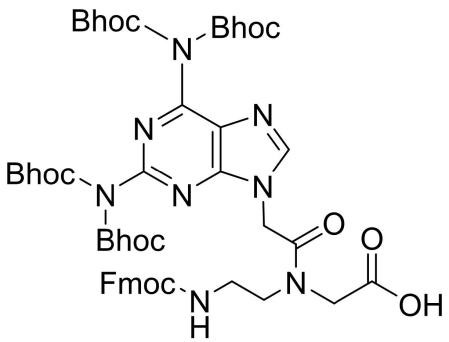
Fmoc-PNA-D(tetraBoc)-OH
CAS: 2101661-88-3
Chemical Formula: C46H58N8O13
Molecular Weight: 931.01
Repetitive units of N-(2-aminoethyl) glycine are used to replace the phosphodiester backbone in synthetic DNA analogs known as PNAs. The purine and pyrimidine bases are connected to these units via a methyl carbonyl linker. Synthesizing PNA follows the same steps as synthesizing peptides, whether by human or automated means, employing the conventional solid-phase extraction method. Fluorophores and biotin are common ways to label PNA molecules. For the next generation of PNAs, scientists may decide to alter the N-(2-aminoethyl) glycine backbone (PNA analogs) or create a chimeric structure (PNA-peptide chimeras or PNA-DNA chimeras) to enhance the solubility and cellular uptake of PNAs or to add new biological features.
 Fig.1 DNA and PNA Backbone Structures1,2.
PNA possesses a backbone composed of 2-aminoethylglycine links, substituting the conventional phosphodiester backbone found in DNA, while the methylene carbonyl groups serve to attach the nucleotide bases to the backbone. Due to their achiral nature, PNAs can be synthesized without the necessity of a stereoselective route. The synthesis of PNA molecules/oligomers parallels that of peptides, utilizing conventional solid-phase synthesis procedures, such as employing a (methylbenzhydryl)amine polystyrene resin as the solid support. The safeguarding of amino groups in PNA monomers during synthesis relies on either Bhoc (benzhydryloxycarbonyl group) or Fmoc (9-fluorenylmethoxycarbonyl group) chemistry. The exocyclic monomers of A, G, C, and T are safeguarded by the Bhoc group, which is eliminated at the conclusion of synthesis using trifluoroacetic acid. The Fmoc group safeguards the main amino acids inside the monomer backbone. A 20% piperidine solution in dimethylformamide (DMF) effectively cleaves the Fmoc group post-synthesis. Each PNA monomer is linked to a nucleobase (adenine, cytosine, guanine, or thymine), analogous to real nucleic acids. The nucleobase facilitates Watson-Crick base pairing with compatible nucleic acid sequences (DNA or RNA). The nucleobase is linked to the PNA backbone via a methylene carbonyl bond, substituting the sugar-phosphate connection seen in natural nucleotides. This connection facilitates the correct alignment of the nucleobase for base pairing while retaining the peptide-like characteristics of the backbone.
 Fig.2 Antibacterial Peptide Nucleic Acids (PNAs)3,4.
When combined with complementary DNA or RNA sequences, PNA forms extremely stable duplexes. The lack of electrostatic repulsion and the bases' planar structure, which allows for effective stacking interactions, contribute to this great binding affinity. Mutation detection and gene targeting are two examples of applications that benefit greatly from the high specificity and sensitivity offered by PNAs, as they bind to target sequences more firmly than natural oligonucleotides.
Because of their extreme specificity, PNA probes may detect differences as small as a single base in their target sequences. Mutations and single nucleotide polymorphisms (SNPs) in particular can be located with the use of this function. The stability of a PNA-DNA duplex may be greatly reduced by even a single mismatch, which greatly improves the accuracy of mutation detection and diagnosis.
Protein-degrading enzymes known as nucleases and proteases do not recognize PNAs. This makes PNAs very advantageous in biological settings, since they are not easily broken down. This resistance enhances their stability and effectiveness in diagnostic applications, enabling longer-lasting interactions with target nucleic acids and improving detection accuracy.
Due to their neutral backbone, PNAs do not require salt to stabilize hybridization with DNA/RNA, in contrast to interactions between DNA and DNA or DNA and RNA, which depend on ionic circumstances. PNAs have the ability to hybridize well in environments with low salt content, which might be advantageous in some experimental settings and biological systems. More accurate targeting of nucleic acid sequences is achieved by reducing nonspecific binding to other negatively charged biomolecules, such proteins, caused by PNA's neutral charge.
PNA synthesis is typically carried out using solid-phase synthesis (SPS), a technique similar to traditional peptide synthesis but specifically optimized to accommodate the unique neutral peptide backbone of PNA. This approach allows precise, stepwise assembly of PNA oligomers with high efficiency and purity.
1
Solid Support Preparation
The synthesis begins by attaching the first PNA monomer to a solid support, typically a functionalized resin. This anchoring provides a stable foundation for the sequential addition of subsequent monomers.
2
Monomer Coupling
Protected PNA monomers are then sequentially coupled to the growing chain on the resin. Coupling reagents such as HBTU or HATU are commonly used to promote efficient formation of peptide-like bonds between monomers. Careful control of reaction conditions ensures minimal side reactions and high coupling efficiency, which is particularly important for longer PNA sequences.
3
Deprotection
After each coupling step, temporary protecting groups on the monomer (commonly Fmoc) are removed to expose the amino group for the next cycle of coupling. This step is essential to ensure that only the intended reactive site participates in bond formation, preserving the integrity and sequence specificity of the growing PNA chain.
4
Repetitive Coupling and Deprotection
The cycle of monomer coupling followed by deprotection is repeated iteratively until the complete PNA sequence is synthesized. This stepwise approach allows for precise control over sequence composition and length, ensuring accurate synthesis of target oligomers. Automated synthesizers are often used to improve efficiency and reproducibility.
5
End Modification (Optional)
Once the full PNA sequence is assembled, the N- or C-terminal can be chemically modified as needed. Common modifications include the addition of fluorescent dyes, biotin, or other functional labels, enabling downstream applications such as molecular imaging, diagnostic assays, or targeted delivery.
6
Cleavage from Solid Support
After sequence assembly and optional end modifications, the PNA oligomer is cleaved from the solid support. Residual protecting groups are simultaneously removed, yielding the free PNA molecule.
7
Purification
The crude PNA is then purified to achieve high purity and remove incomplete sequences or side products. Reverse-phase high-performance liquid chromatography (RP-HPLC) is the standard method for purification, providing reproducible and efficient separation based on hydrophobicity differences between the target PNA and impurities.
8
Characterization and Quality Control
Finally, the purified PNA is characterized to confirm its sequence, molecular weight, and overall quality. Techniques commonly employed include mass spectrometry (e.g., MALDI-TOF/MS), nuclear magnetic resonance (NMR) spectroscopy, UV/Vis absorption, and HPLC analysis. These quality control steps ensure that the final PNA product meets rigorous standards for research or therapeutic applications.
We provide custom PNA synthesis tailored to specific research needs, including modifications, labeling, and high-purity products for various applications in molecular biology.
Yes, our experts offer consultation and design services, guiding clients through sequence selection and modification options for optimal PNA performance in their projects.
We deliver high-quality PNA products, custom services, and technical support, ensuring reliable, accurate results for research, diagnostics, and drug development.
Yes, we provide PNAs with various labeling options, including fluorescent and biotin labels, to support detection and tracking in molecular biology experiments.

References